Kennedi Carter
•
Durham, North Carolina
•
Kennedi Carter • Durham, North Carolina •
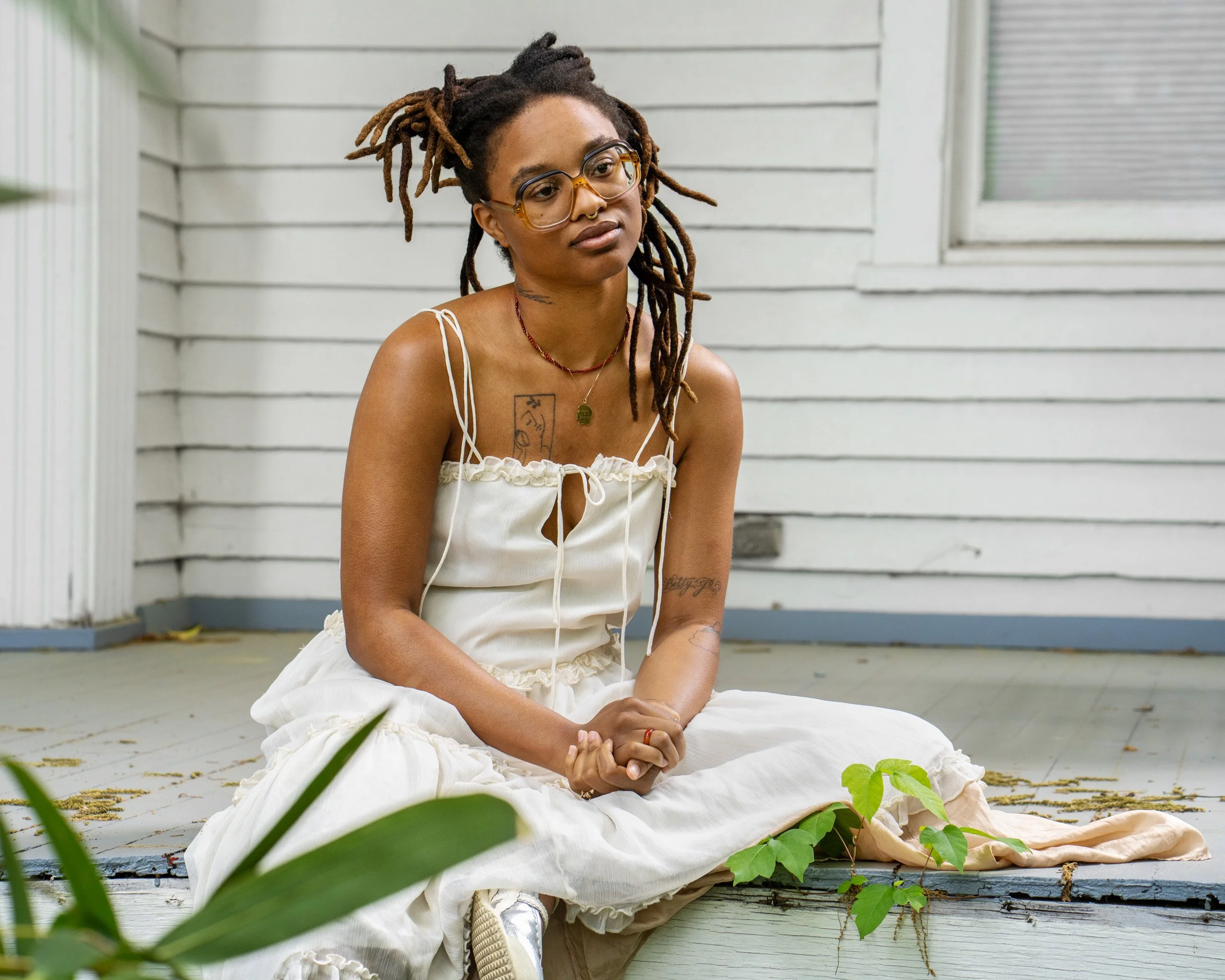
Kennedi Carter is a digital media artist based in Durham, North Carolina. Her practice explores the complexities of Blackness within the intimate spaces of our communities, focusing on how we remember moments of freedom. Through a blend of found and personal photographs, Carter captures fleeting experiences that evoke ancestral memory, highlighting the connections between everyday life—such as the tender exchanges of our grandparents—and the broader contemporary landscape of Black southern living.
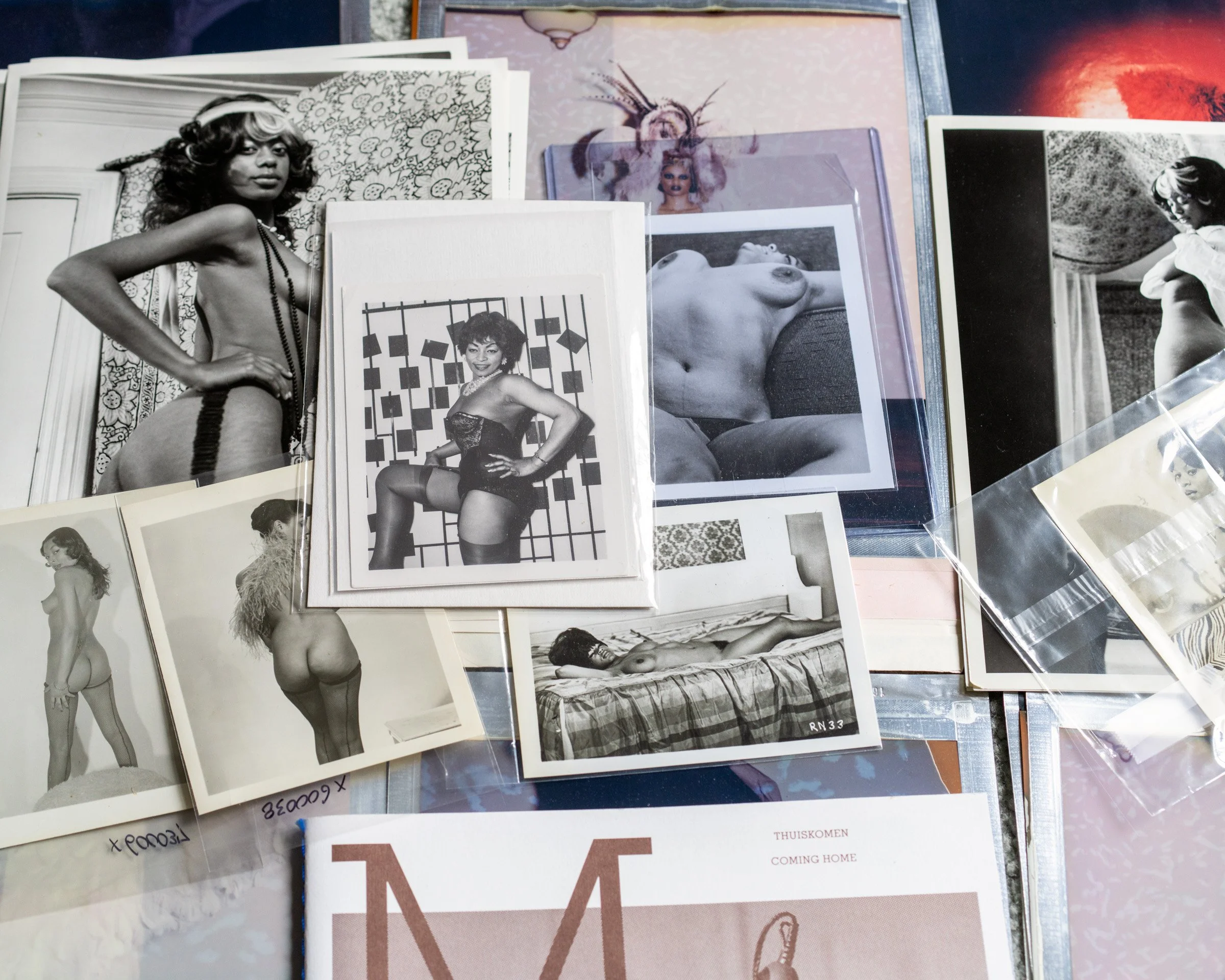
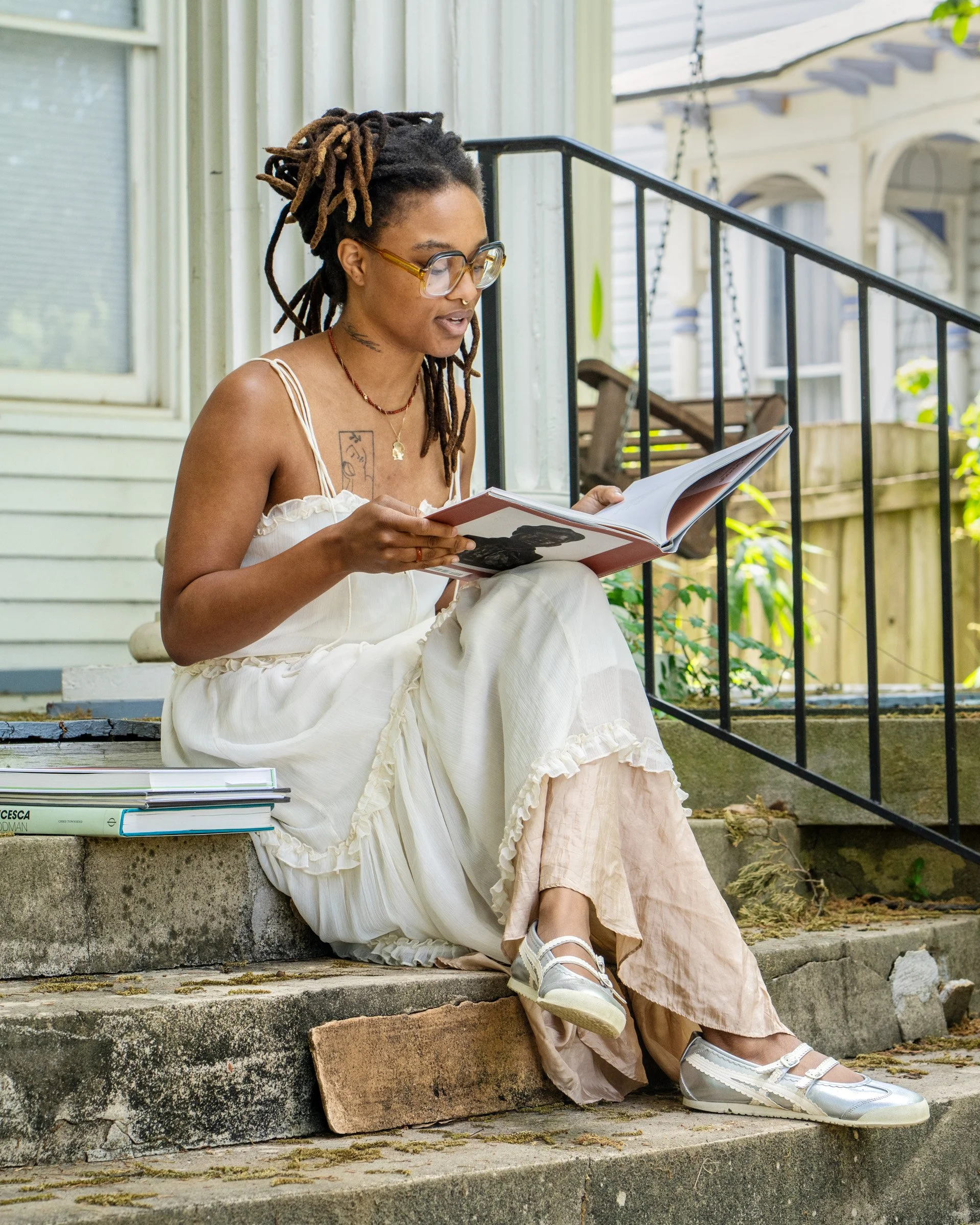
In a Neoclassical Revival house on Durham’s former “Mansion Row” sits the studio of artist and photographer Kennedi Carter. The building itself possesses a layered history. Built in the early twentieth century for a wealthy grocer, it remained a private residence until the 1940s, before serving as a USO facility during World War II. In the decades that followed, it shifted once again into domestic use, eventually fell into disrepair, and was later restored to house the Durham Crisis Response Center, which provided support for survivors of rape and domestic violence. The layered history of the space feels particularly resonant in relation to Carter’s practice, which traces multiple lineages at once—familial, ancestral, cultural, geographic, and photographic—while considering how memory and identity are carried across generations.
Ridin’ Sucka Free - Carter’s longest ongoing project - is a photographic exploration of Black horsemanship and its connections to history, land, labor, and community in the American South. Through portraits of Black riders and equestrian culture, Carter examines horsemanship as both an inherited tradition and a contemporary expression of freedom, care, and self-determination. In the statement for this work, she writes: “The act of riding becomes a means of escape, an assertion of presence, and a reclaiming of space.” The project moves between formal portraiture and more observational documentary images, yet across both approaches there remains a consistent sensitivity and intimacy—qualities that extend throughout Carter’s broader practice.
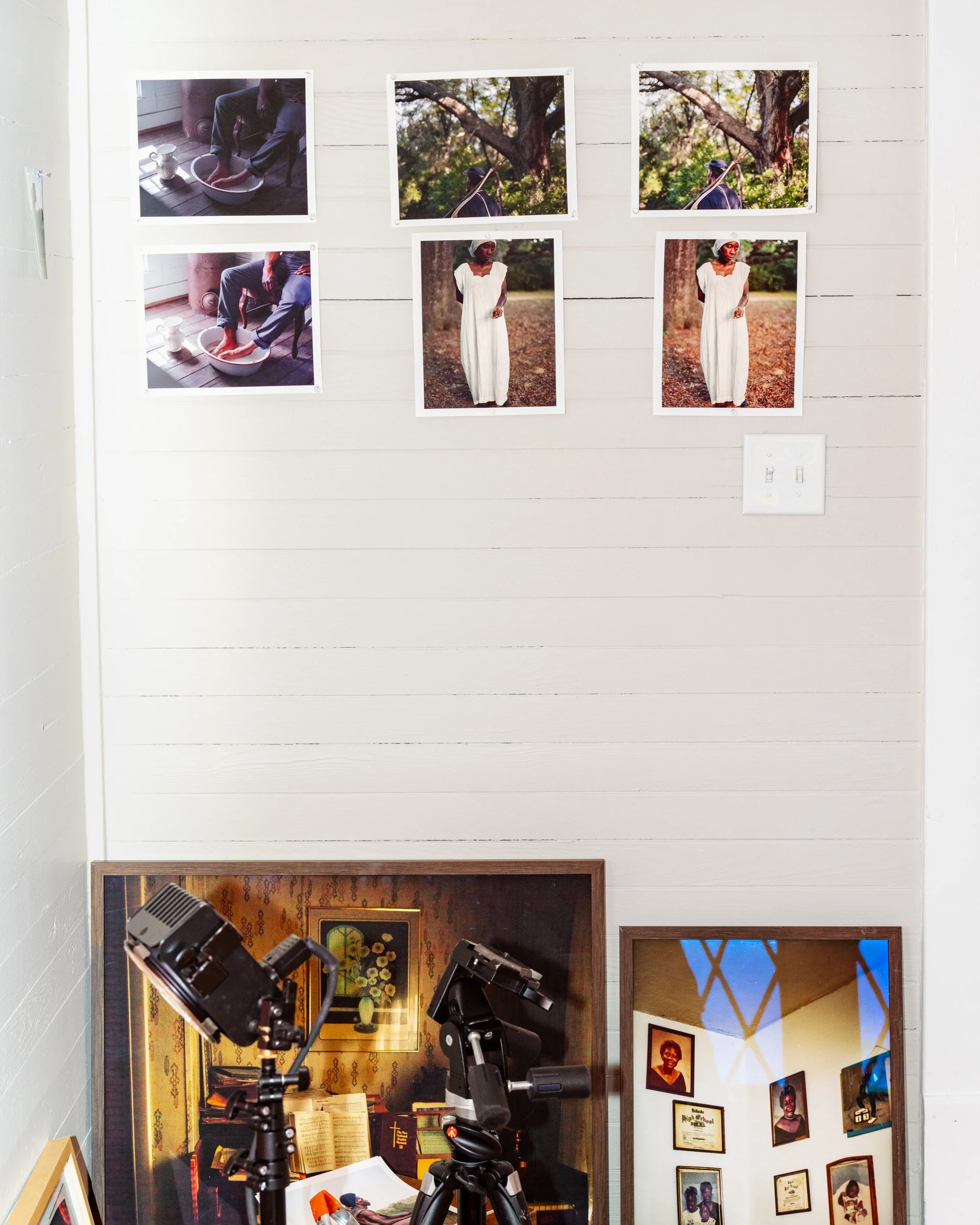
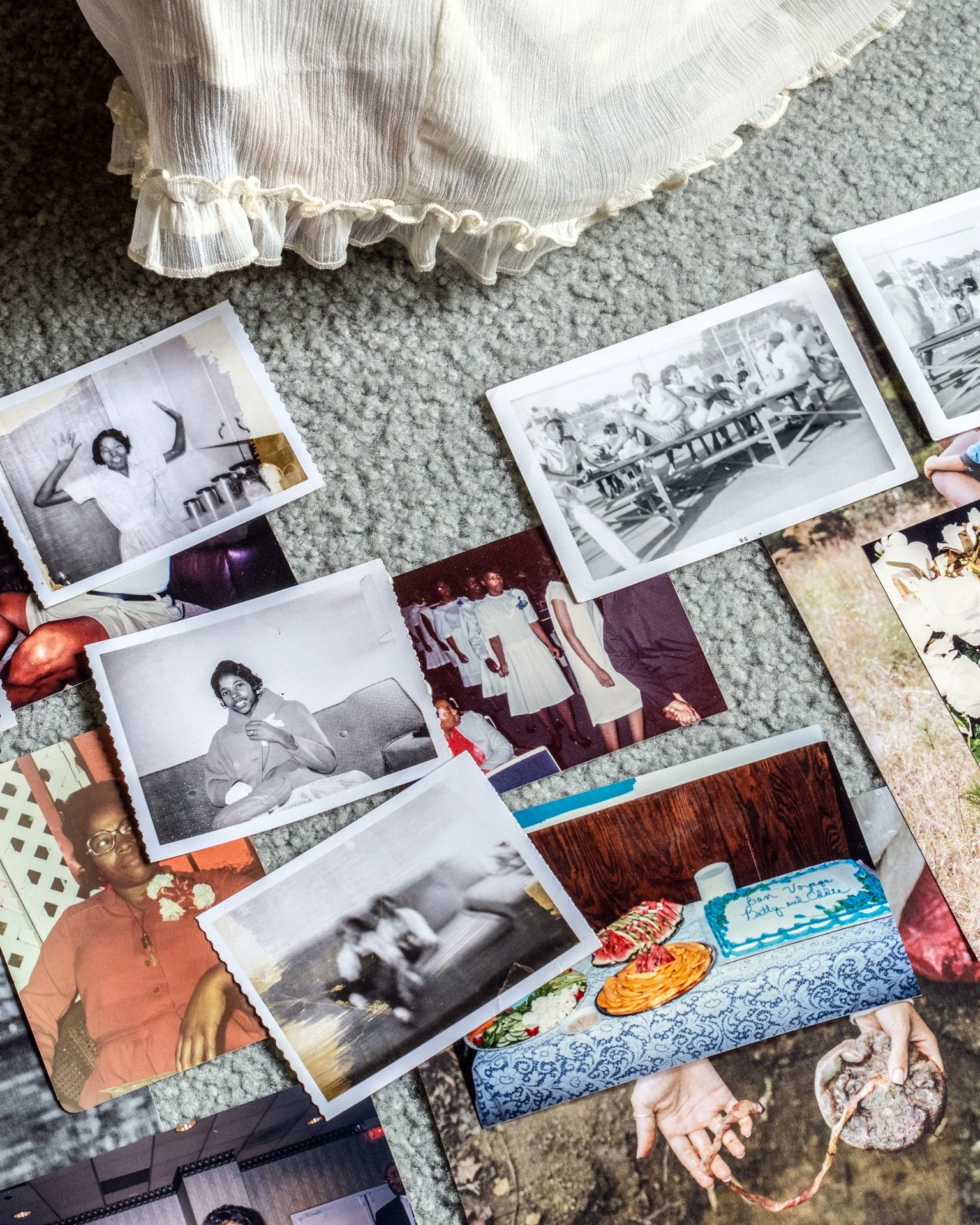
In 2022, Kennedi Carter gave birth to her son, Atlas. Amid a complicated premature pregnancy—and while grappling with the seeming fragility of her burgeoning career—a new body of work emerged: Everything I Don’t Know You Can Teach Me. In her essay “Captive Maternal” for Southern Cultures, Carter writes, “I immersed myself in my work, using my practice to digest the trauma of his birth.” The project that followed became an inquiry into Black matrescence, lineage, and intergenerational memory. Through portraiture, archival family imagery, and oral histories, Carter reflects on motherhood as a collective and inherited experience shaped by family, community, care, and choice. Beyond the figures that populate these intimate and beautiful photographs is a strong and enduring sense of place. The red soil and overgrown lushness of the Piedmont become integral to the work’s atmosphere; the heat and humidity feel almost palpable, lending the images a near-synesthetic quality.
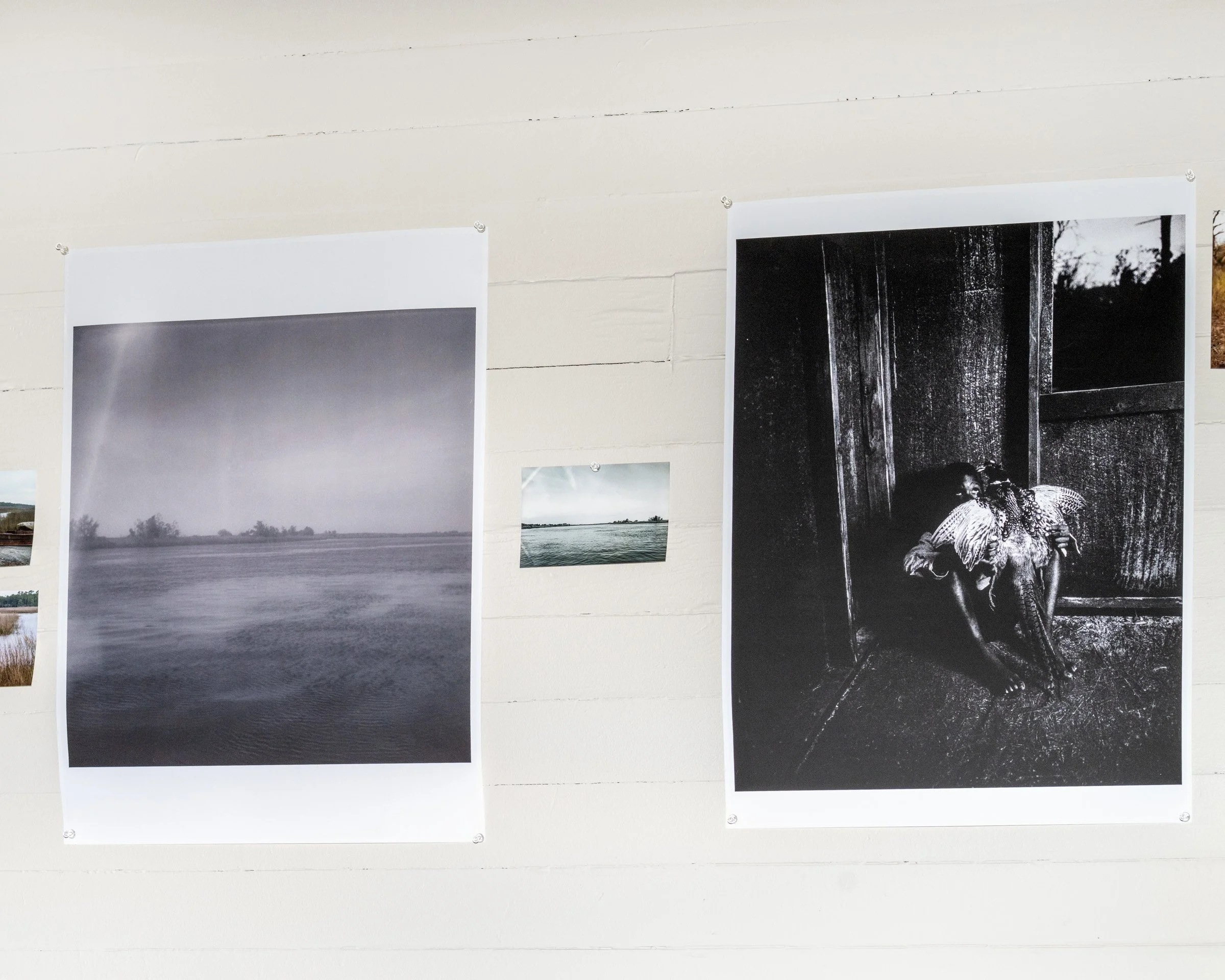
More recently, Carter initiated The Water Bring We, The Water Wanna Take We Back, another ongoing body of work, this one examining the culture, spirituality, and environmental precarity of the Gullah Geechee corridor. Drawing on Gullah-Geechee cosmology, oral tradition, and the symbolic role of water as both origin and threshold, Carter considers the enduring relationship between land, memory, and ancestral continuity in the Low Country South.
Across Kennedi Carter’s work—including her vibrant editorial practice—there is a sustained commitment to representing Black life as expansive, self-determined, and collective. That sense of collectivity exists not only within the images themselves, but within the photographic process that produces them. Her projects engage questions of community, history, and lineage while also forging new relationships between photographer and subject, image and lived experience. Carter’s presence behind—and at times in front of—the camera remains palpable throughout: visible in the trust her subjects extend toward her, and in the attentiveness with which she photographs them in return. Rather than reducing her subjects to symbols or narratives, Carter allows for complexity, intimacy, and contradiction to remain intact. In doing so, her photographs become more than documents of people or place; they function as relational acts, shaped as much by reciprocity and recognition as by observation alone.
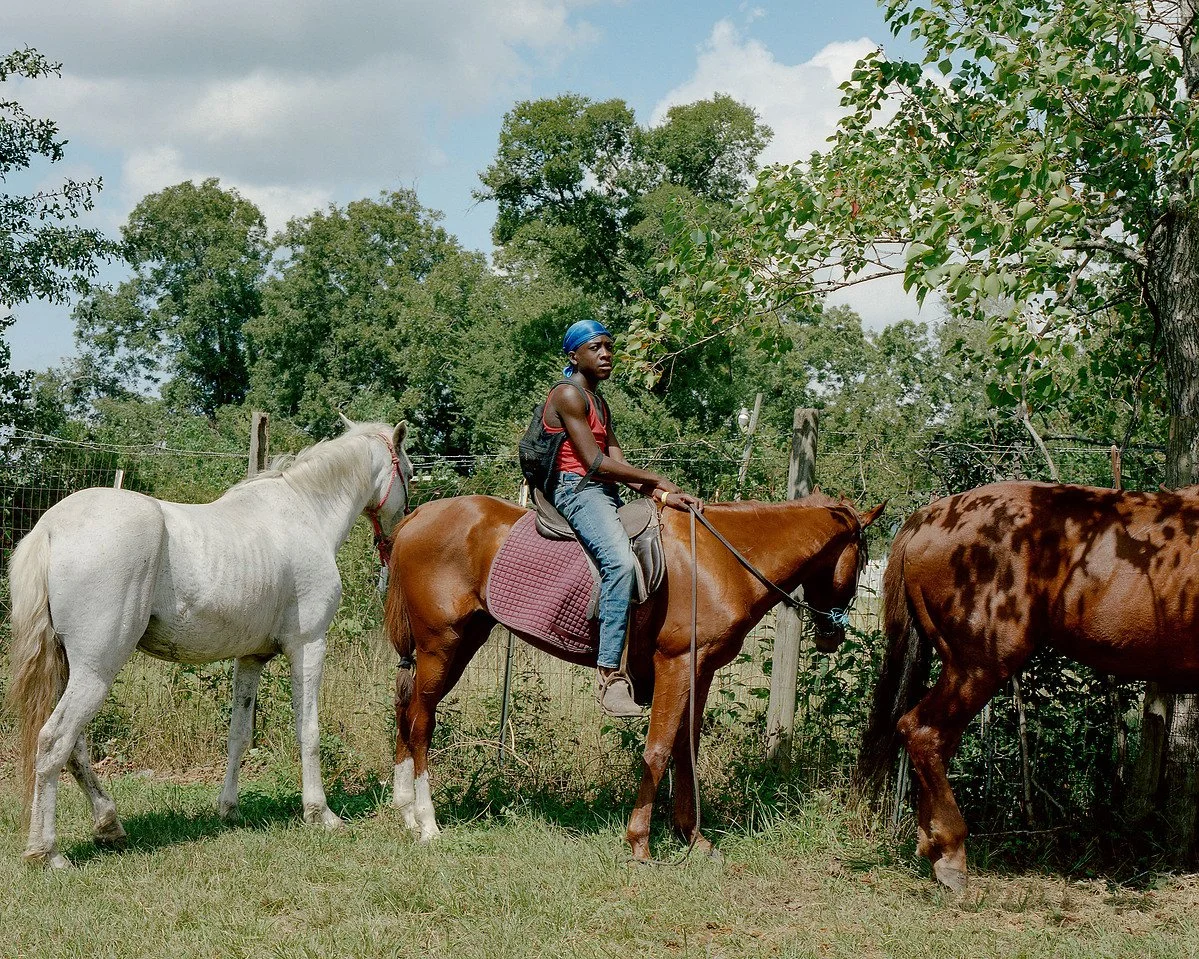
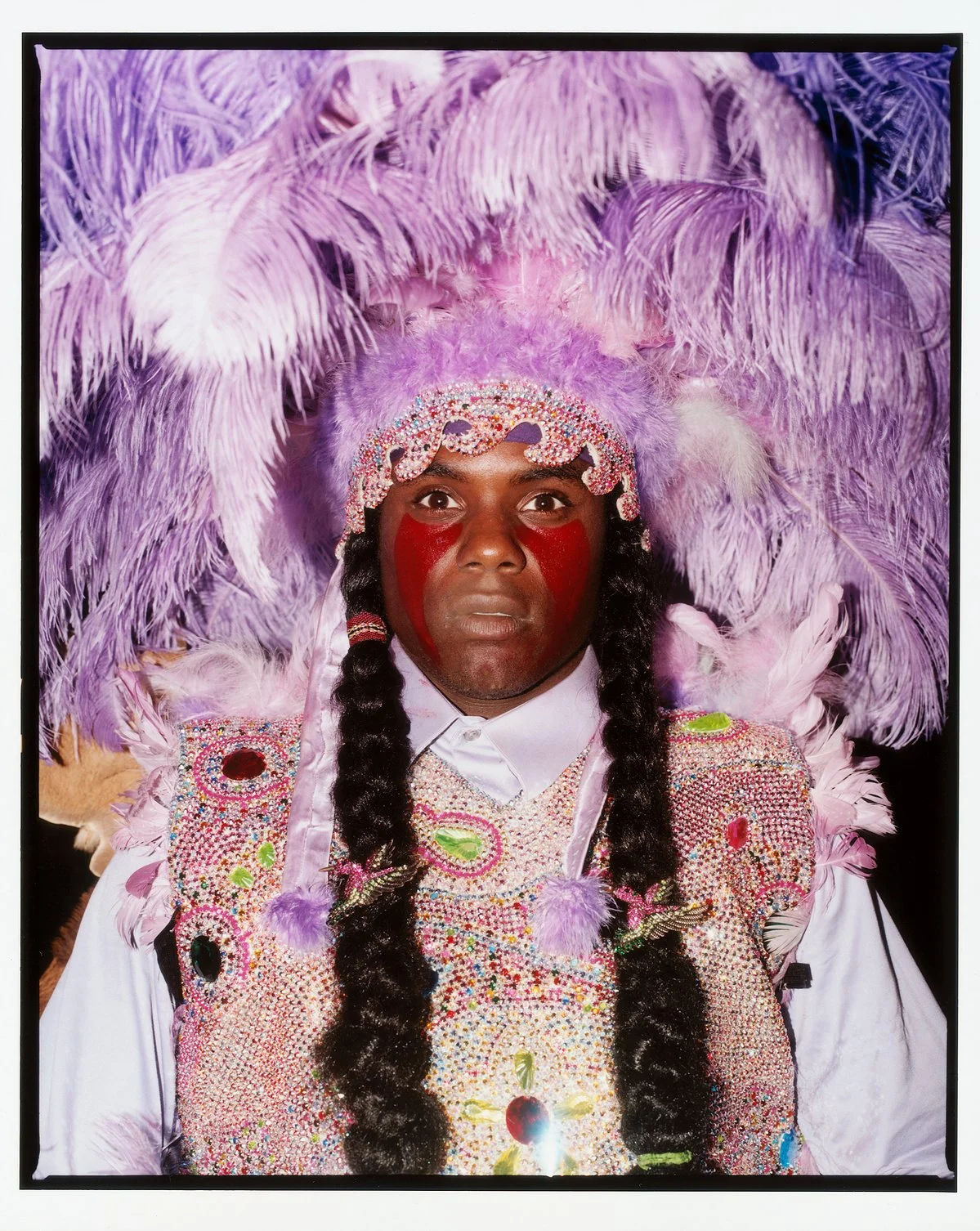
Ridin' Sucka Free, 2019
From the series Ridin' Sucka Free
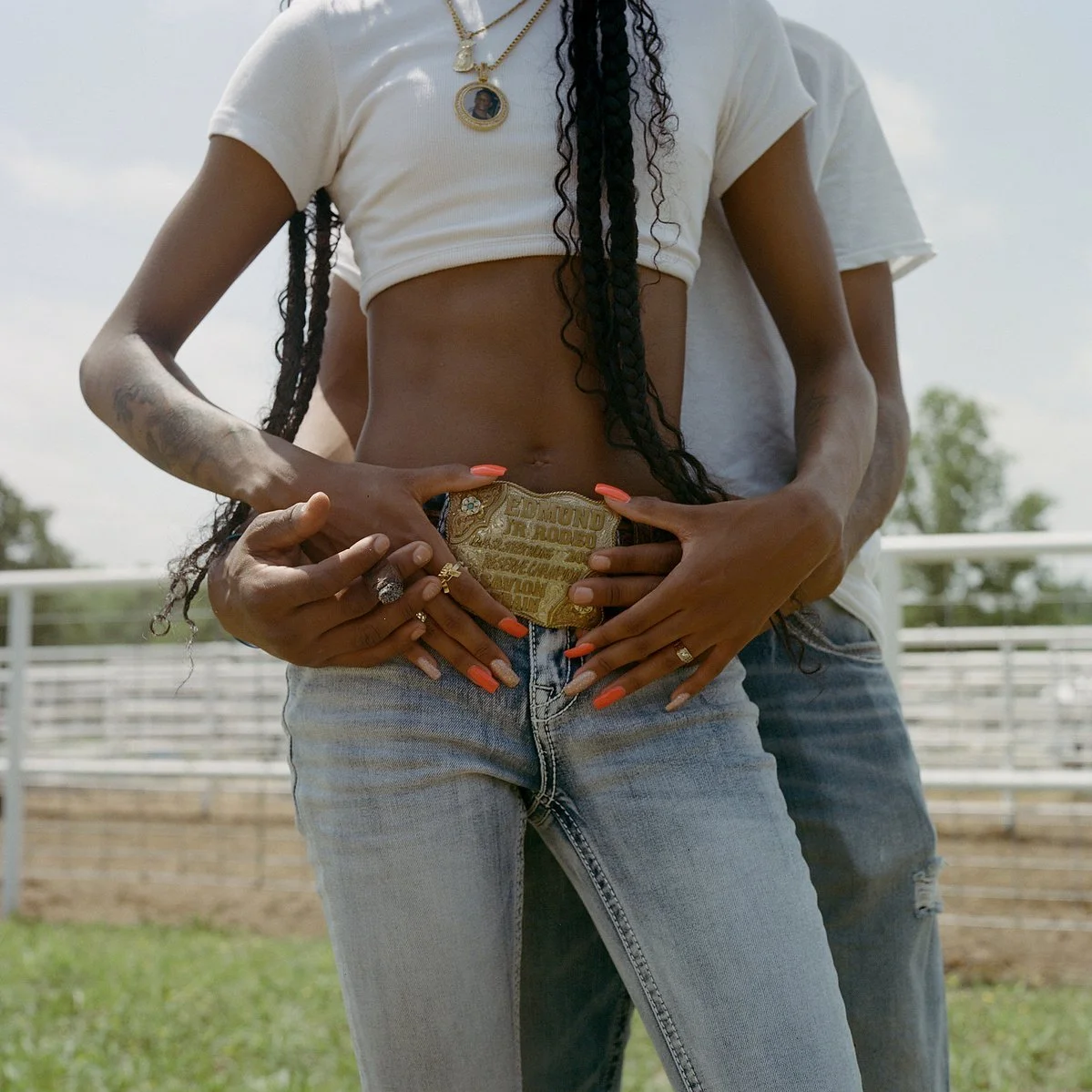
Photographed for The Atlantic, 2024
From the series Ridin' Sucka Free
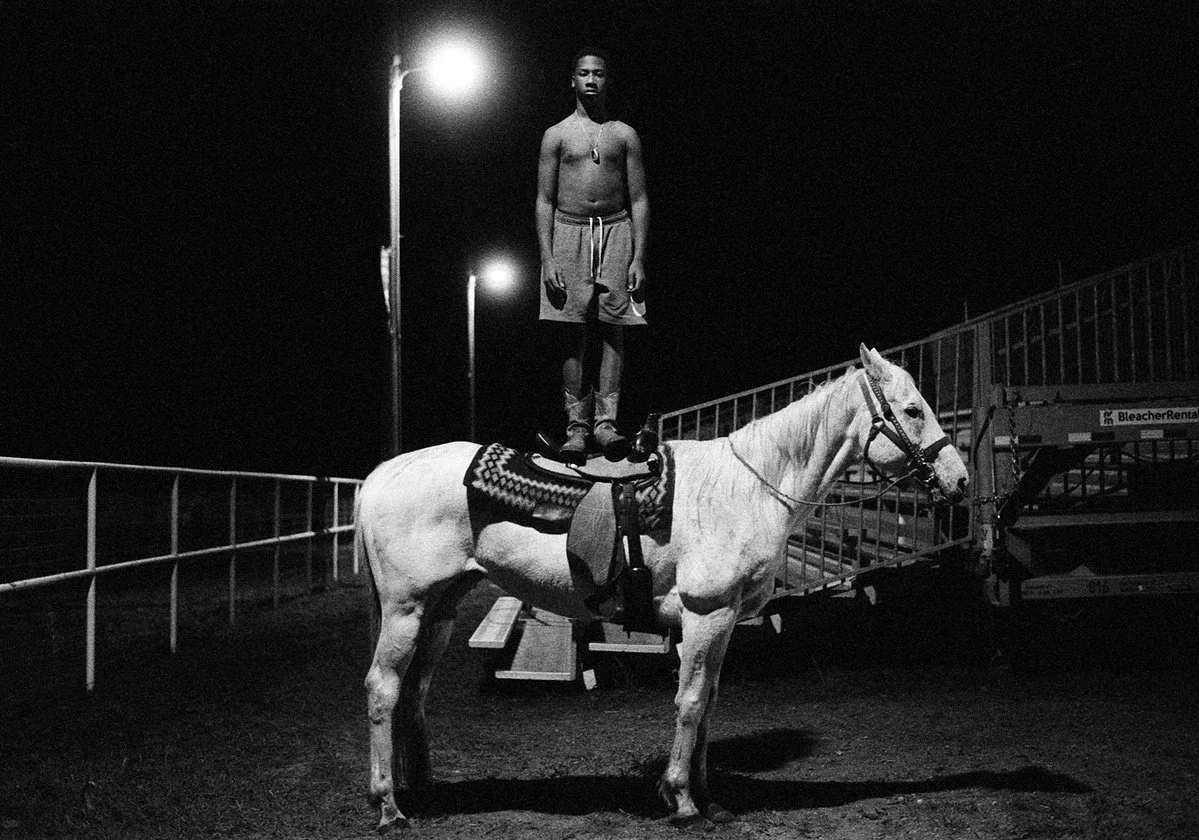
Untitled, 2021
From the series Ridin' Sucka Free
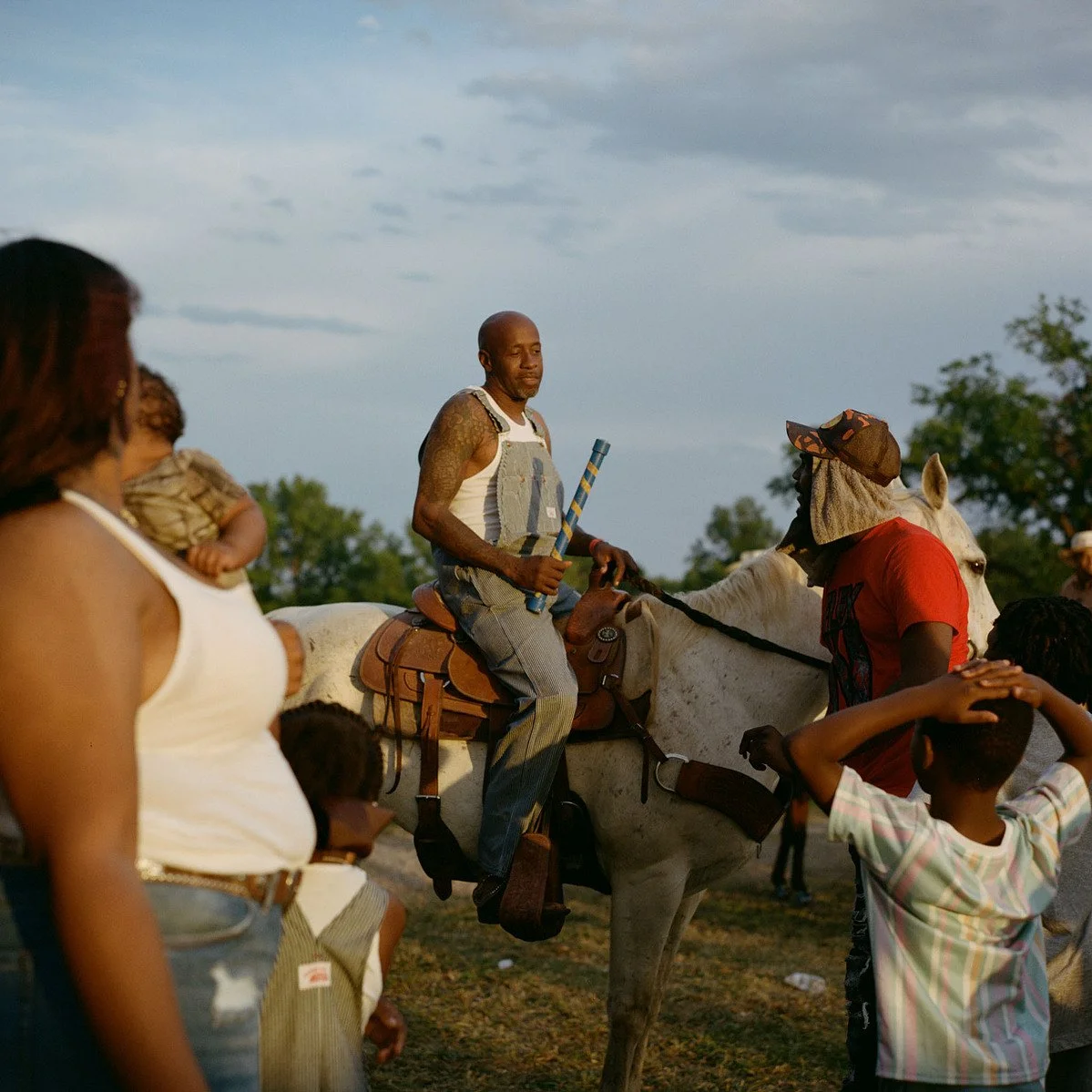
Photographed for The Atlantic, 2024
From the series Ridin' Sucka Free
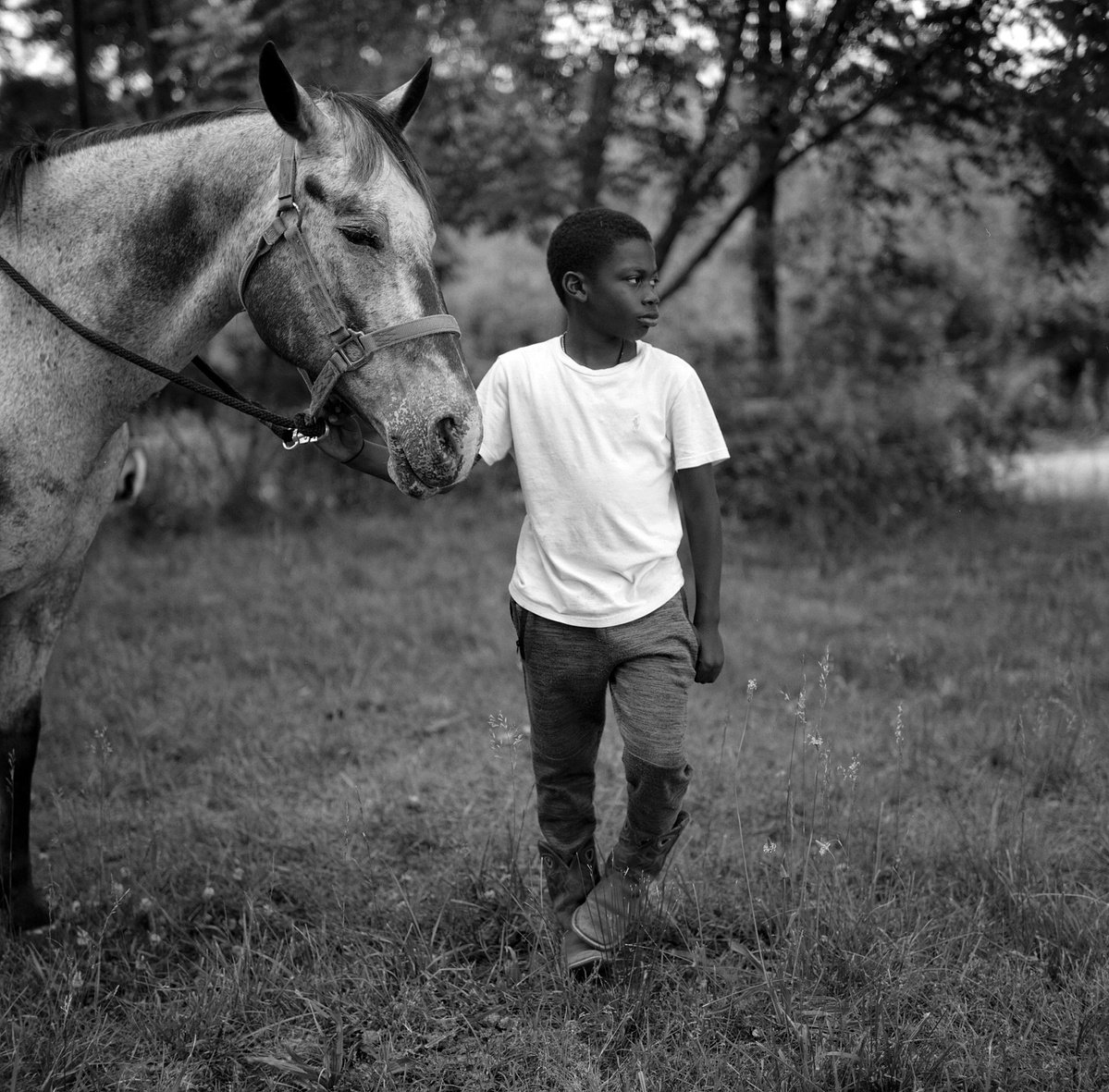
Untitled, 2021
From the series Ridin' Sucka Free
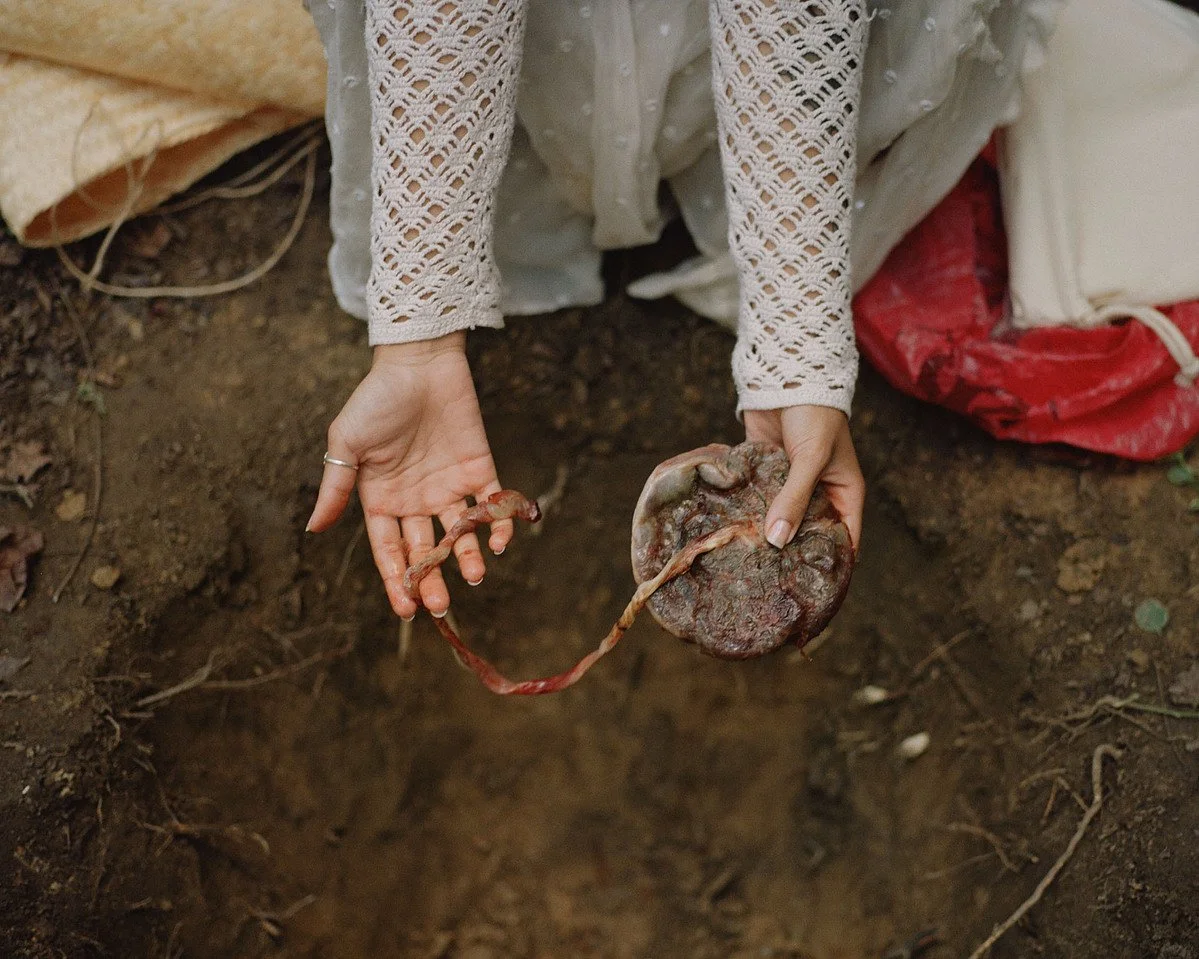
Placenta Burial, 2022
From the series Everything I Don' Know You Can Teach Me
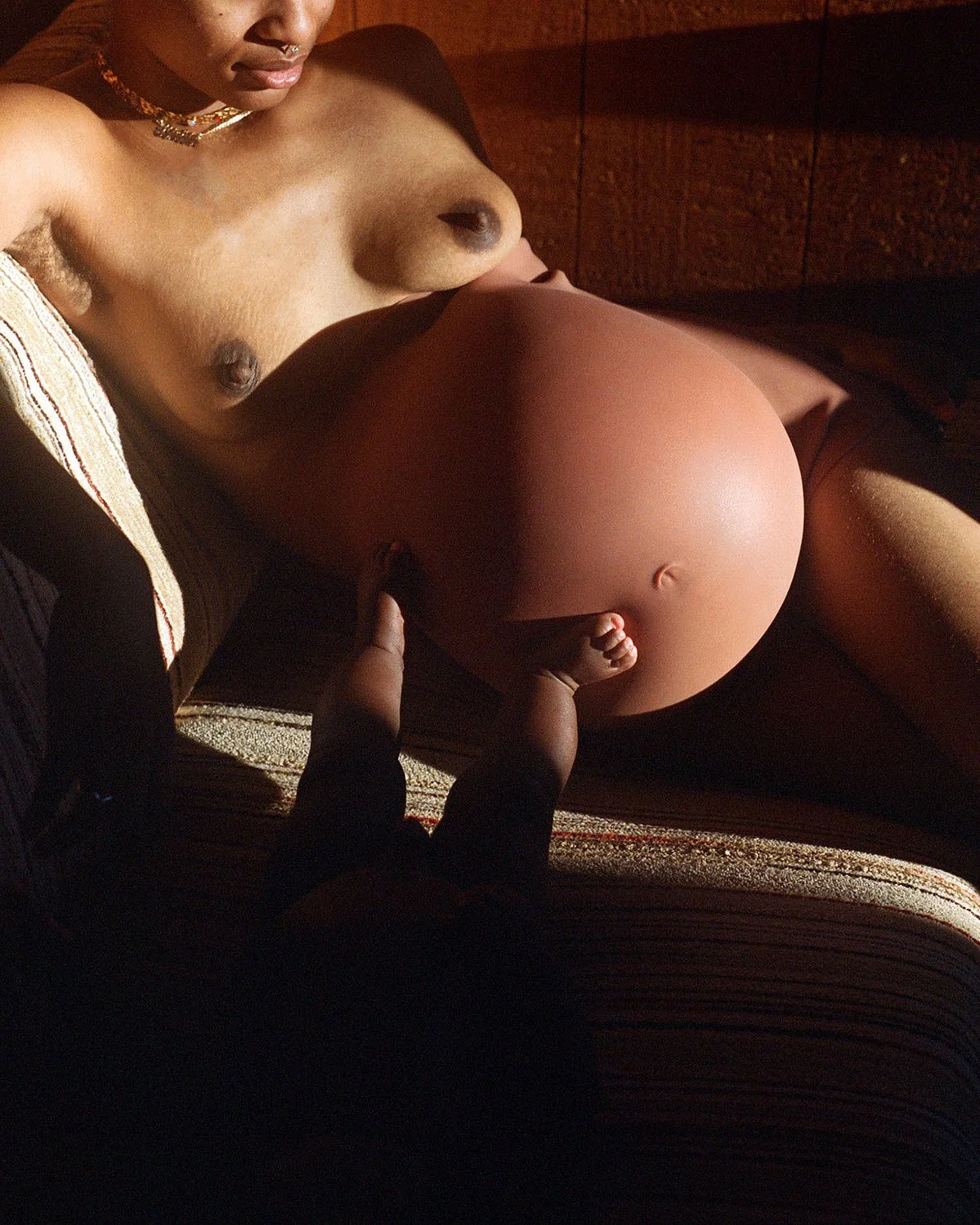
Shadow Work III, 2022
From the series Everything I Don' Know You Can Teach Me
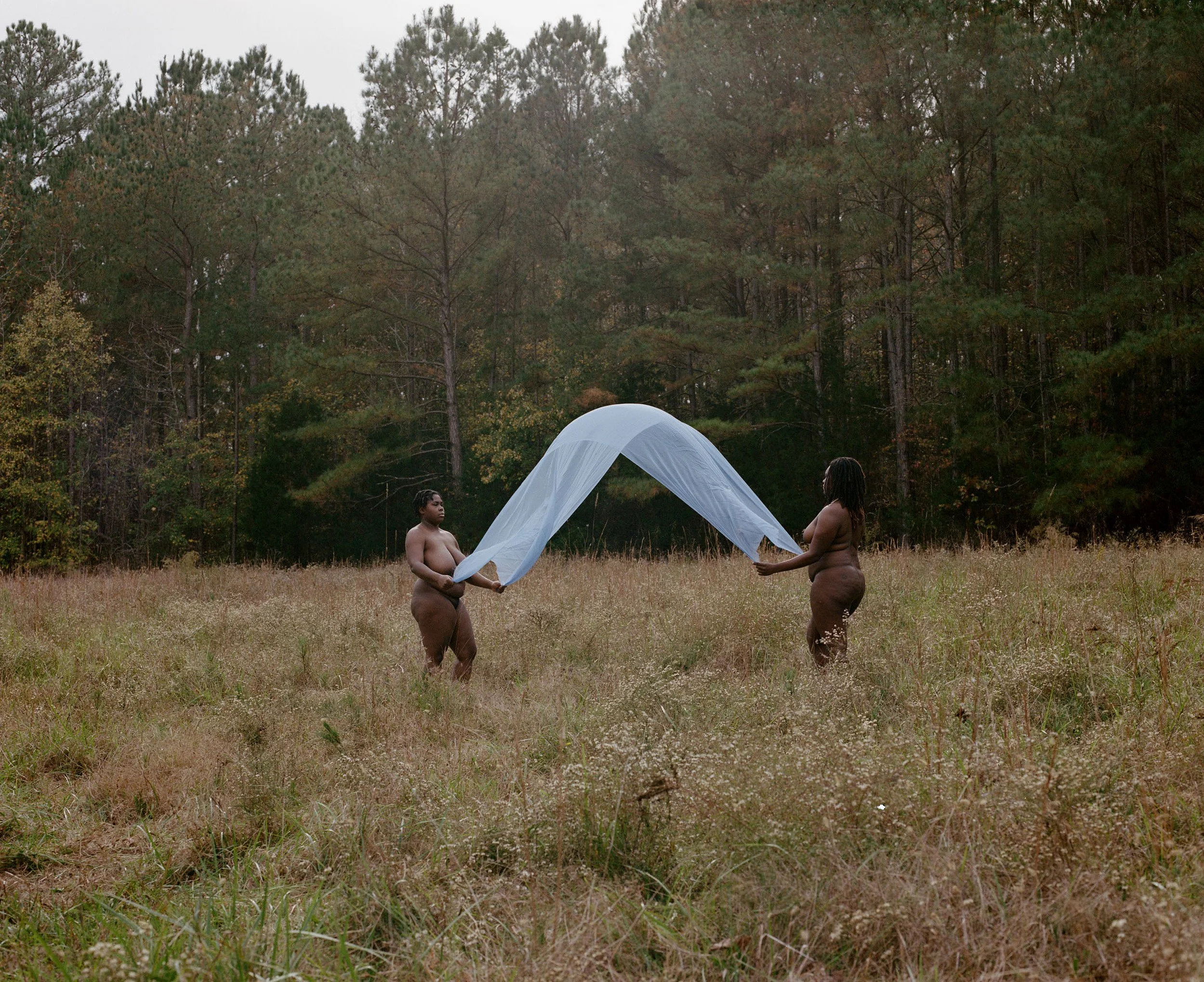
Caul Blue, 2024
From the series Everything I Don' Know You Can Teach Me
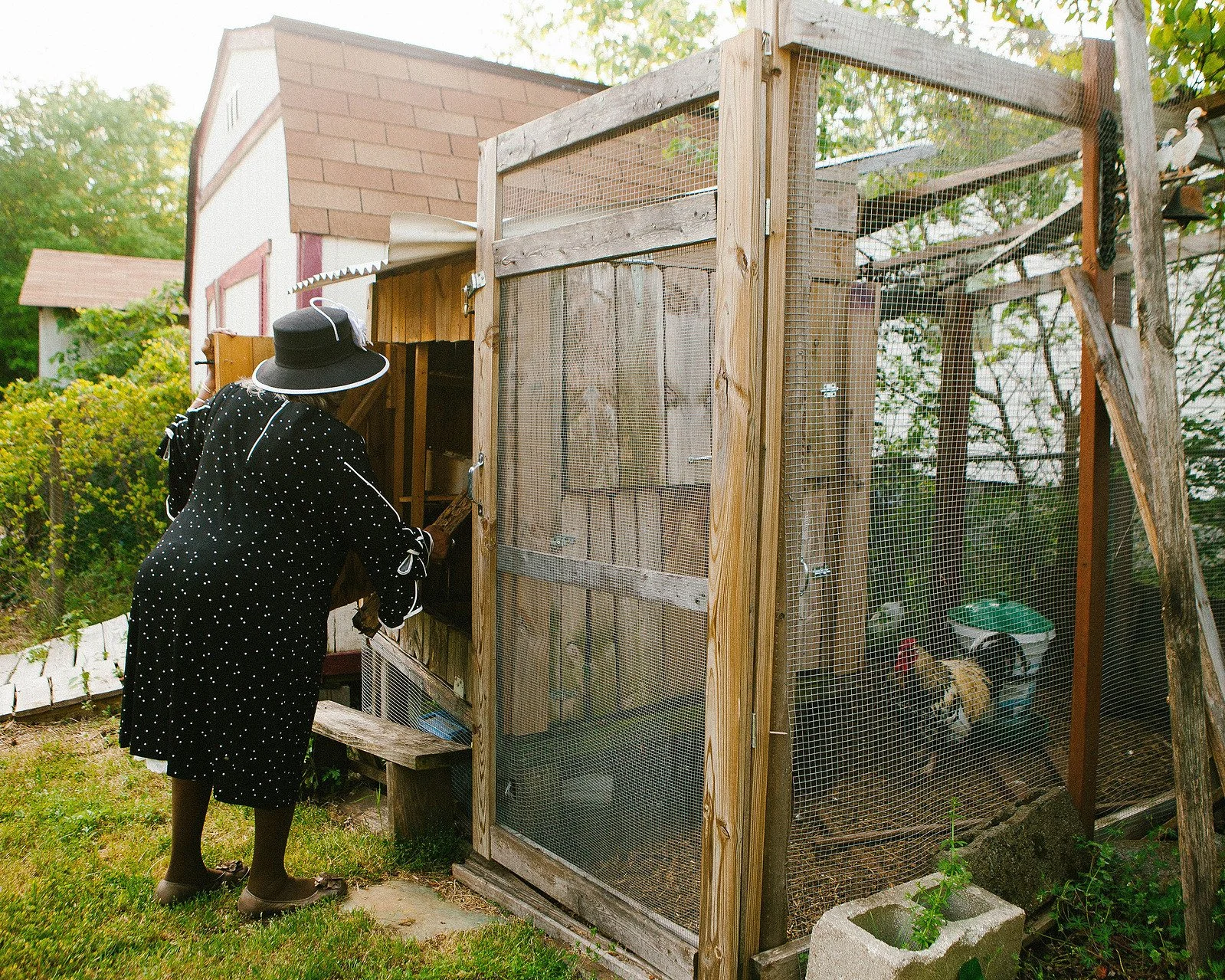
Chicken Coop, 2019
From the series Everything I Don' Know You Can Teach Me
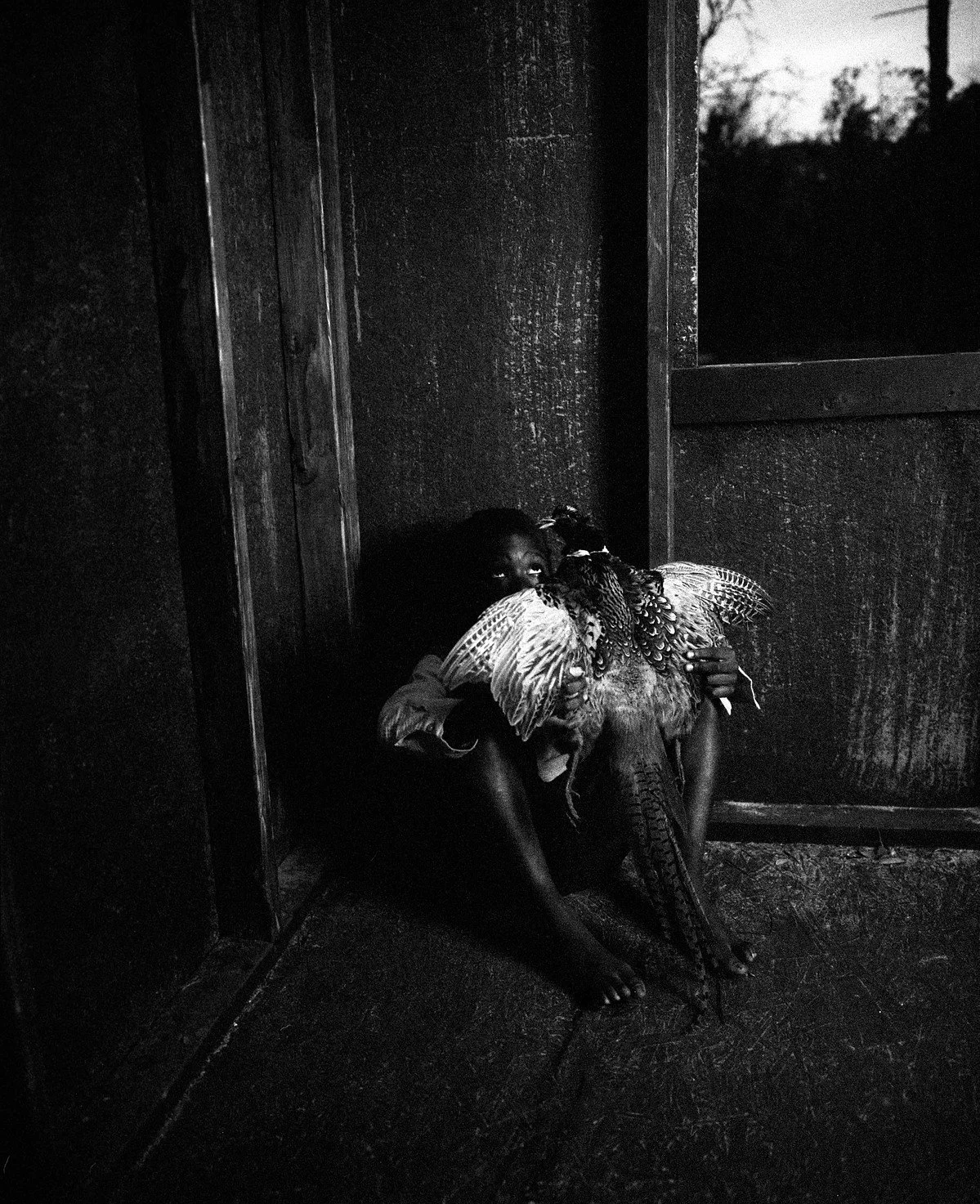
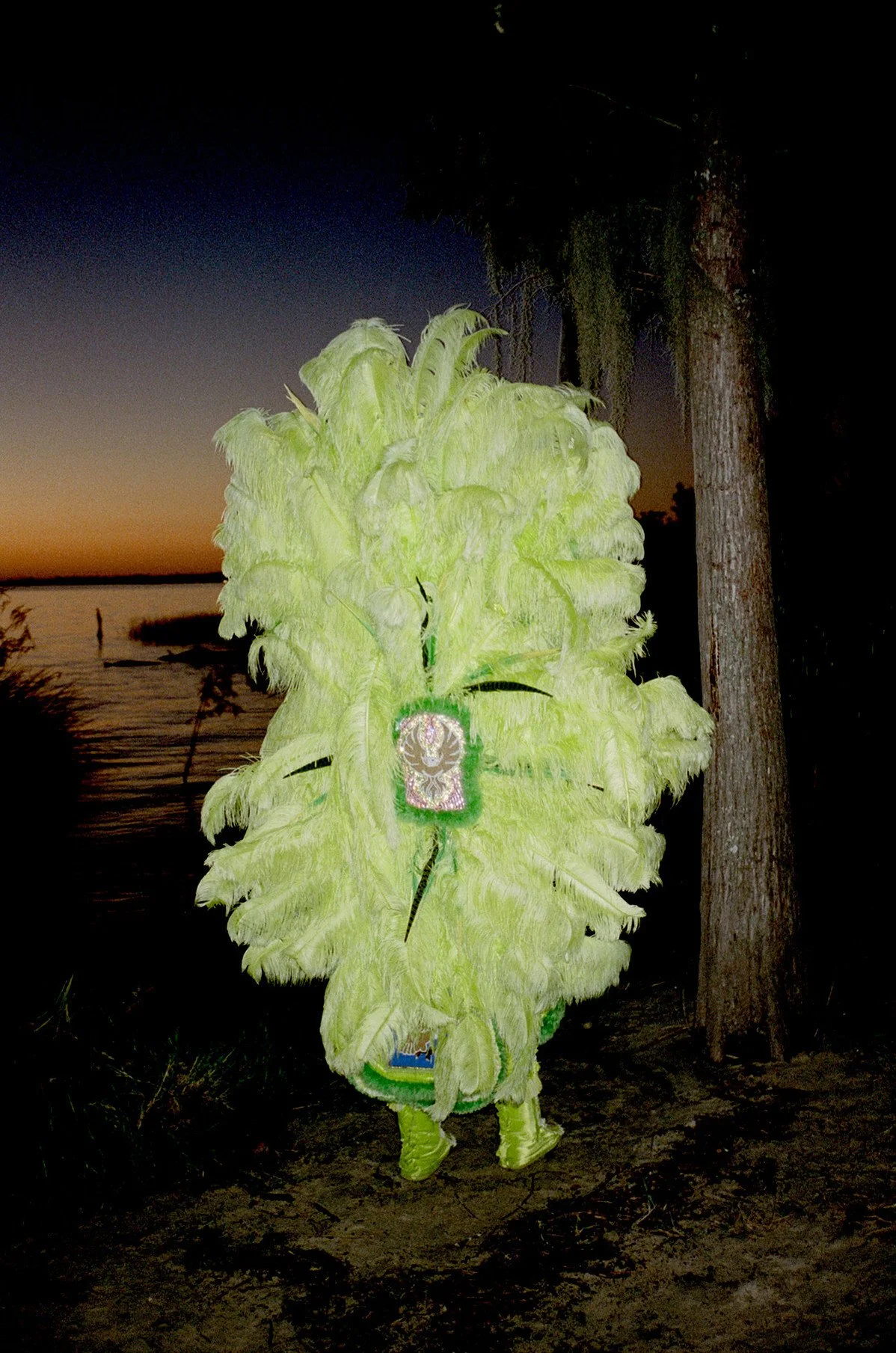
Pheasant, 2026
From the series The Water Bring We, The Water Wanna Take We Back
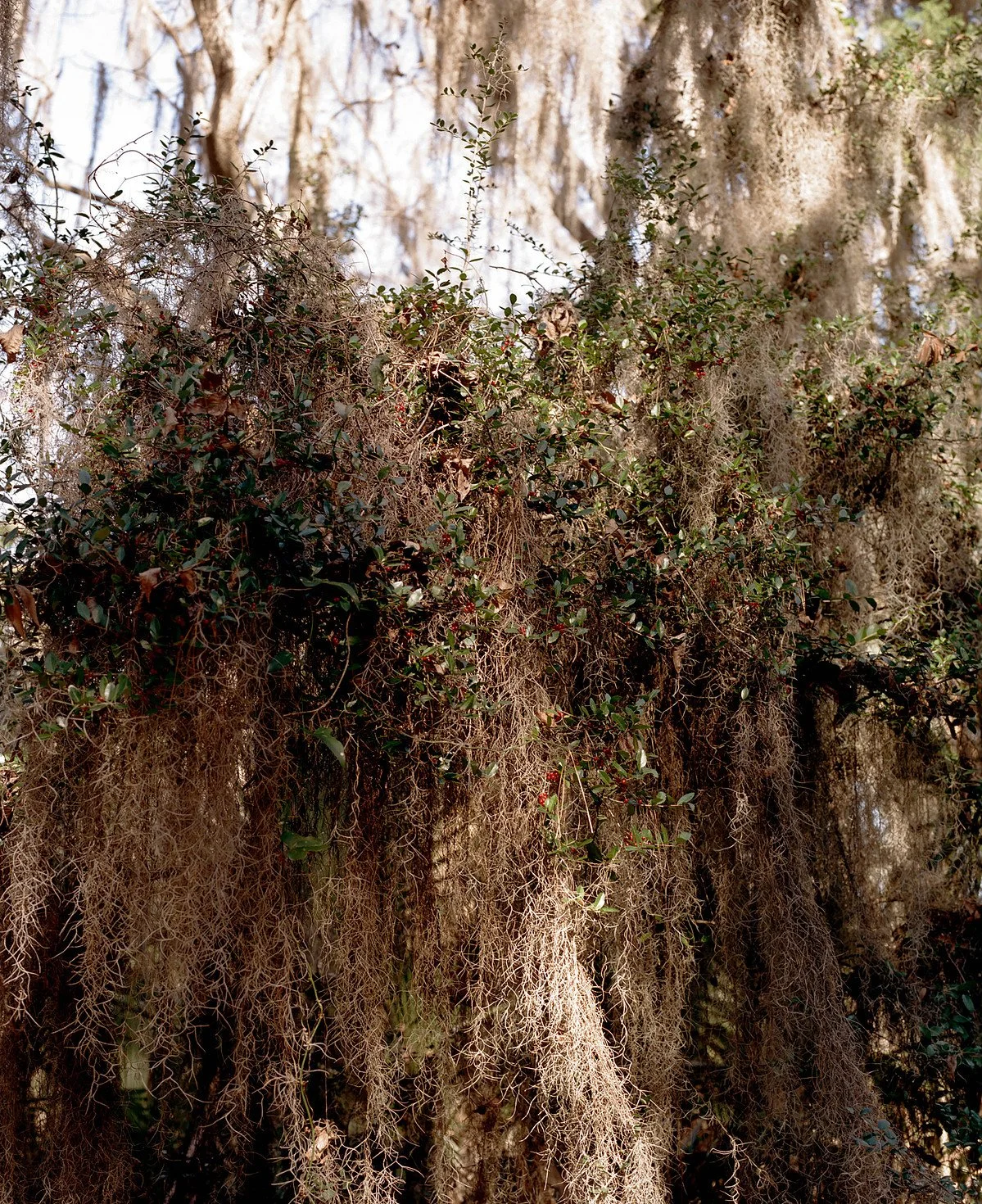
Photographed for Atmos Magazine, 2024
From the series The Water Bring We, The Water Wanna Take We Back
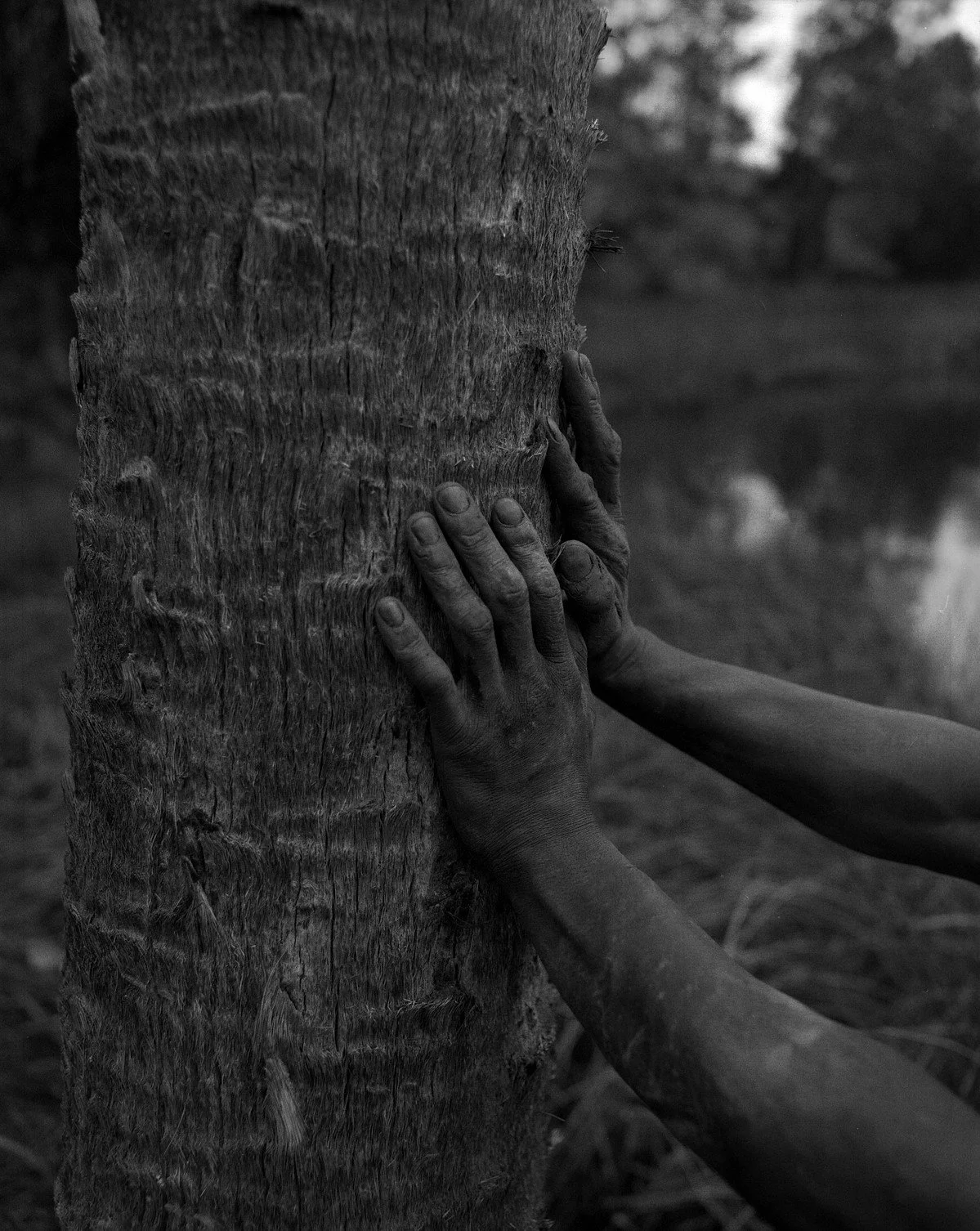
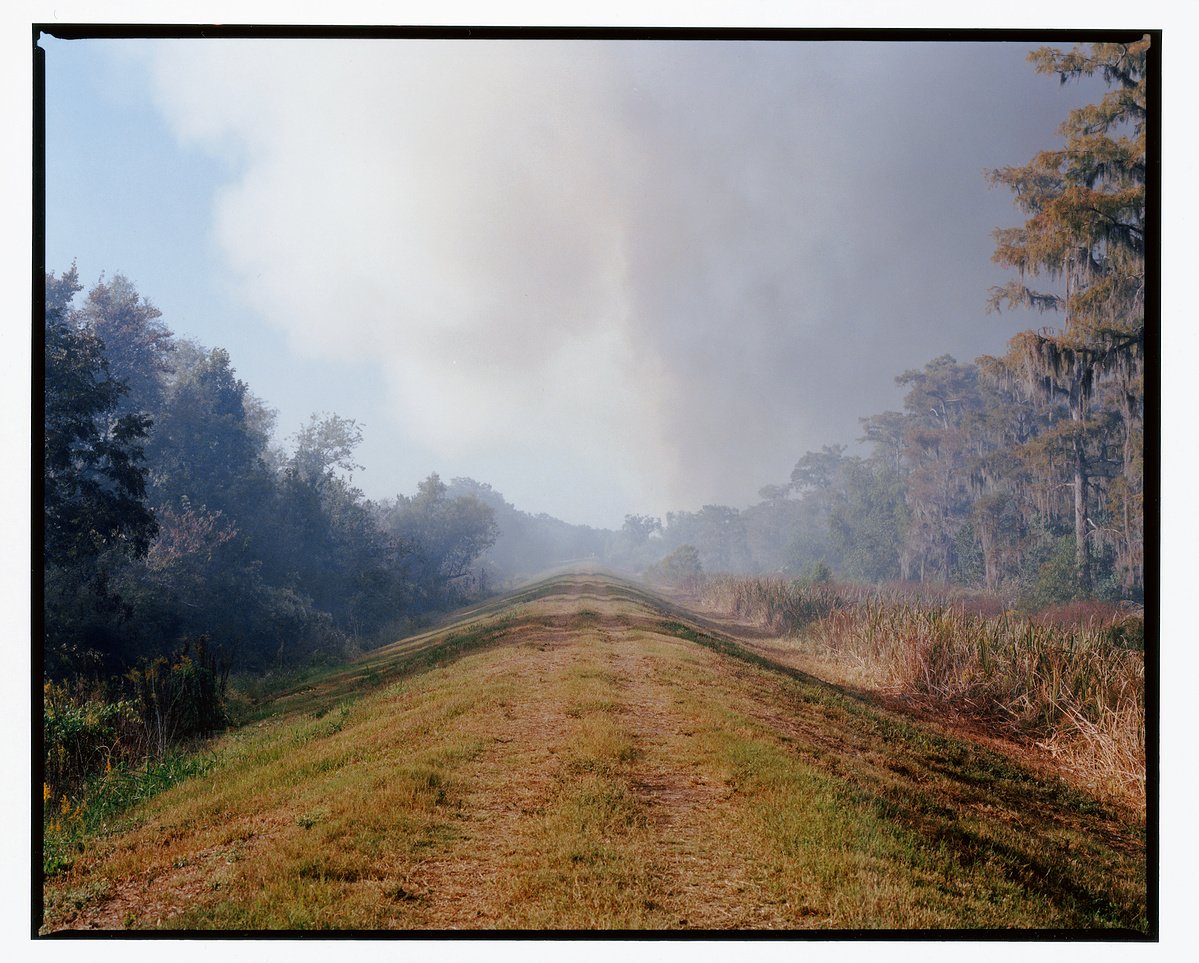
Pluff Mud, 2025
From the series The Water Bring We, The Water Wanna Take We Back
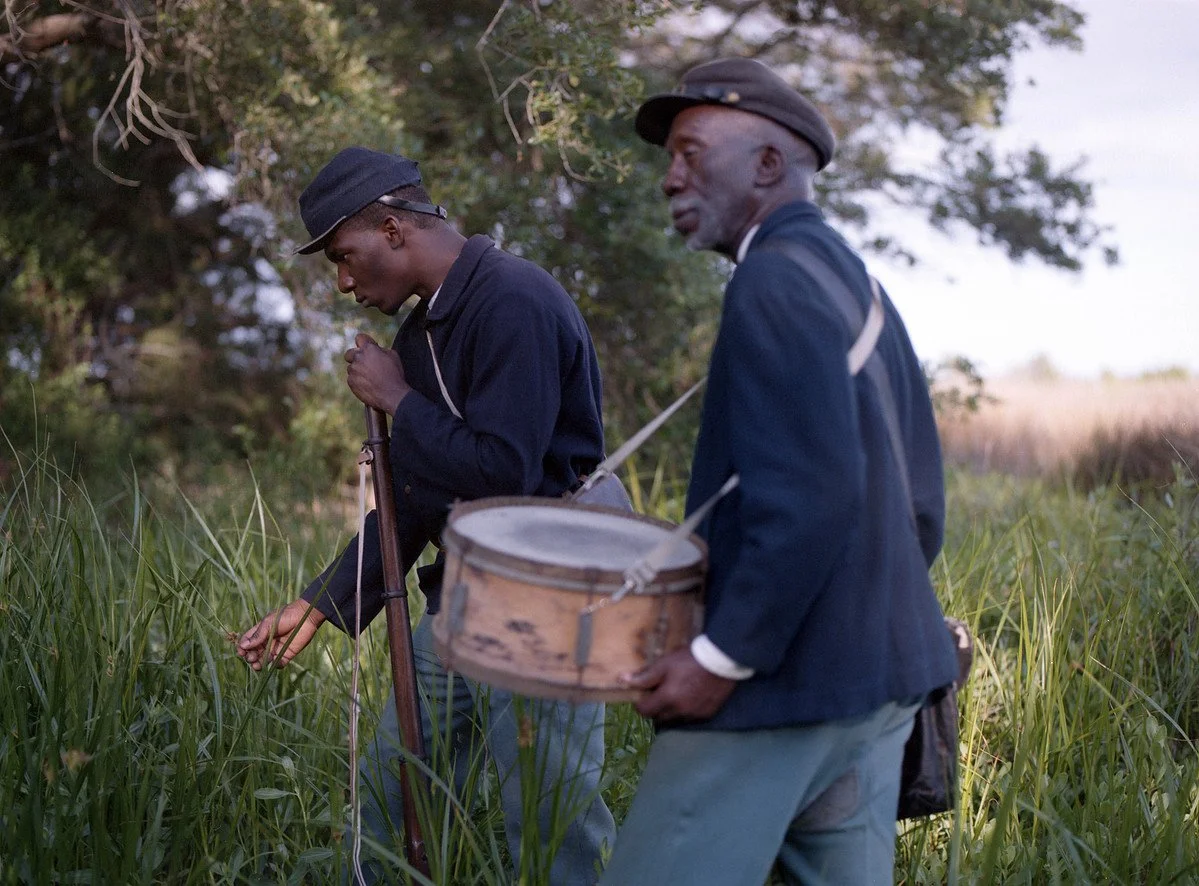
Union, 2026
From the series The Water Bring We, The Water Wanna Take We Back
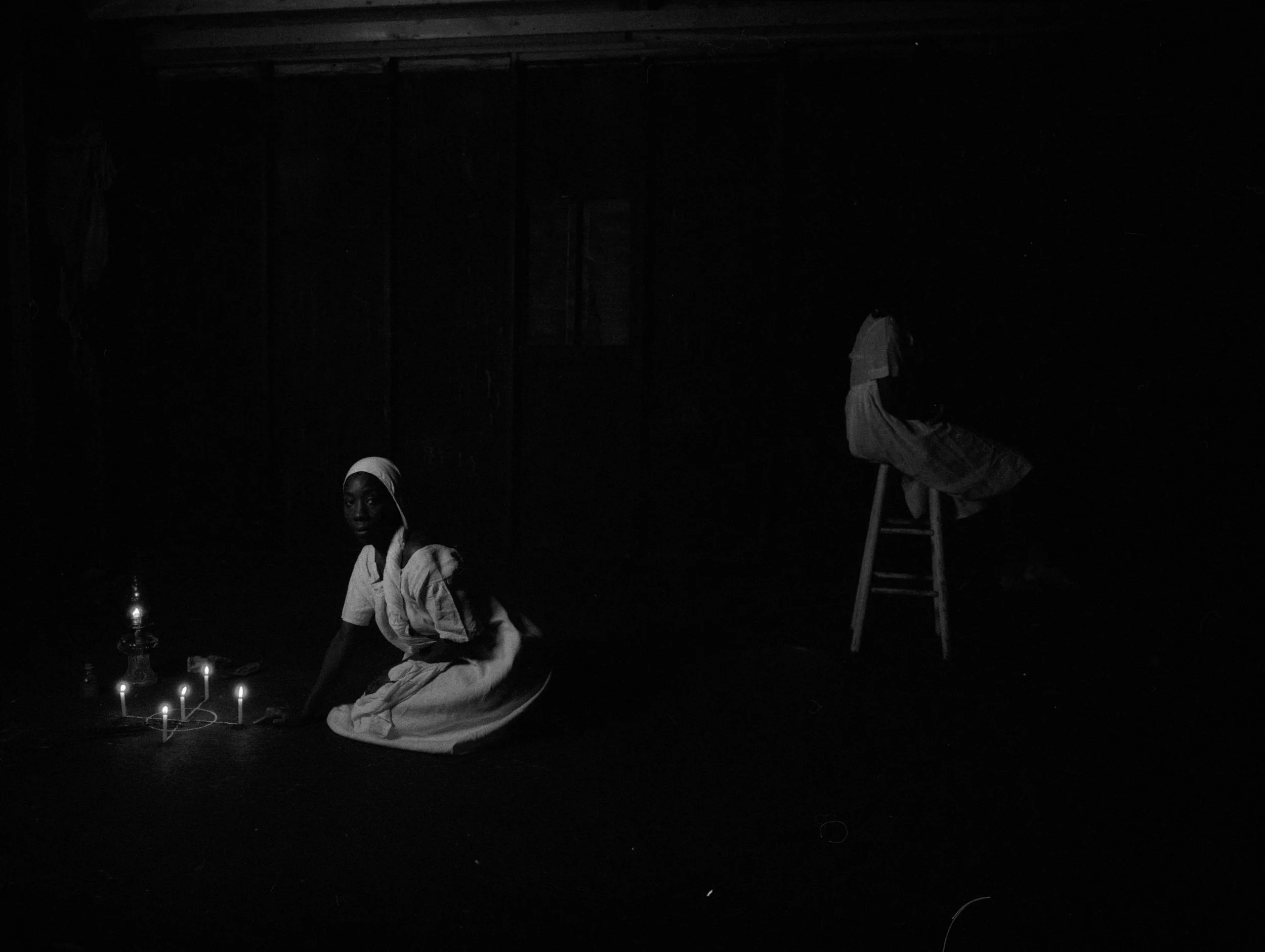
Viewing the Dark Great Grandmother , 2026
From the series The Water Bring We, The Water Wanna Take We Back
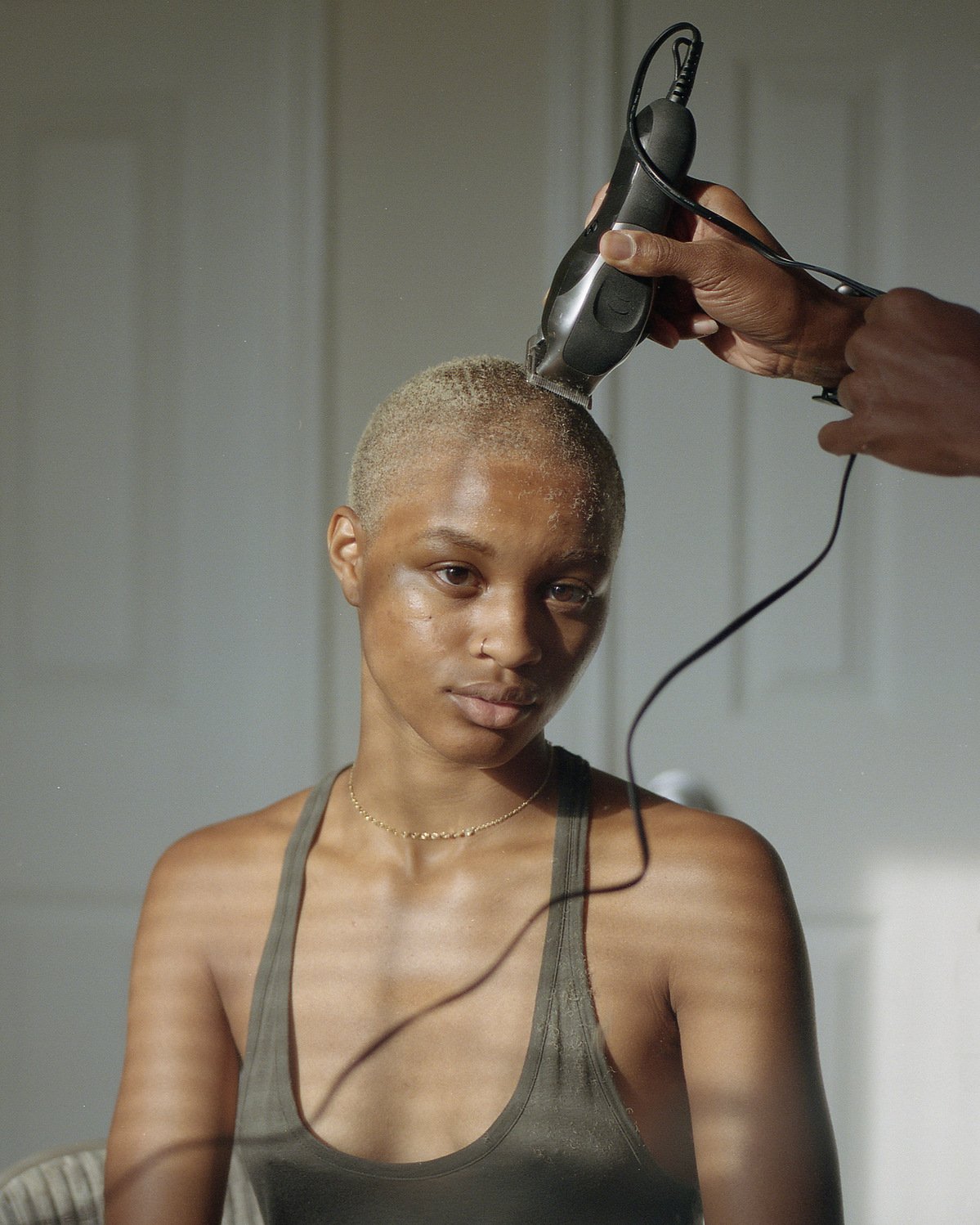
Photographed for The New York Times, 2020
Photographed for W Hotels & Vogue, 2023
Photographed for W Hotels & Vogue, 2023
Photographed for W Hotels & Vogue, 2023
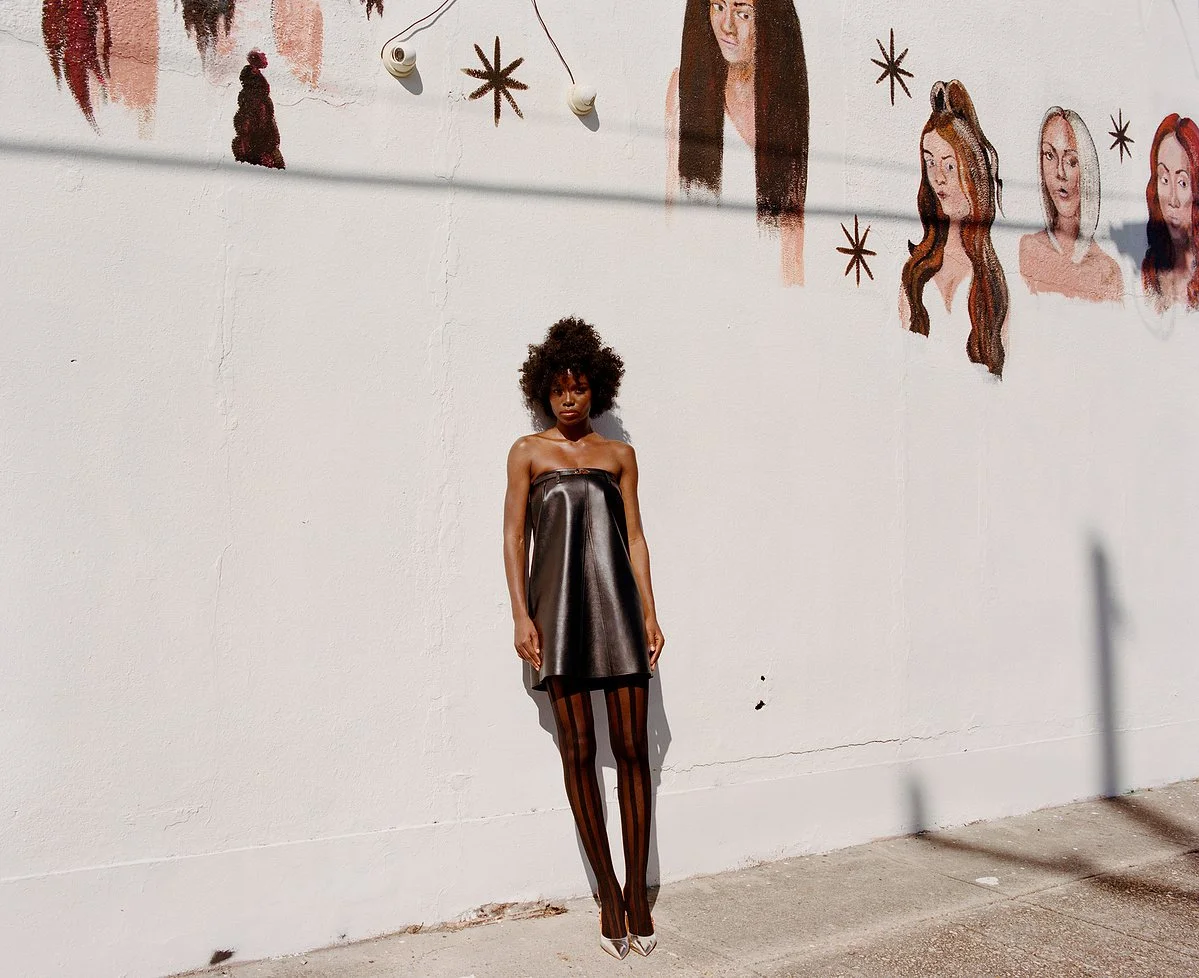
Photographed for Essence, 2024
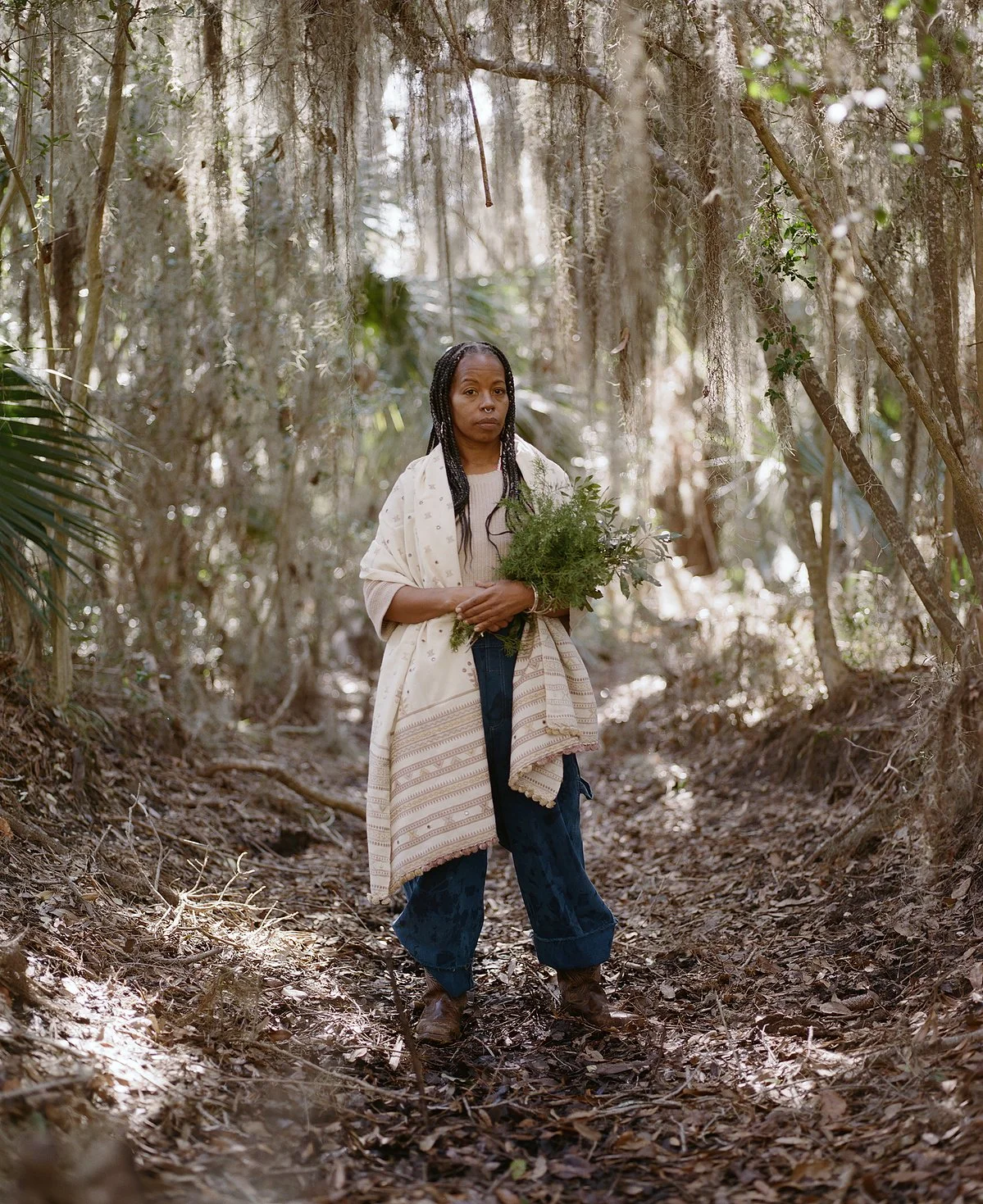
Photographed for Atmos Magazize, 2025
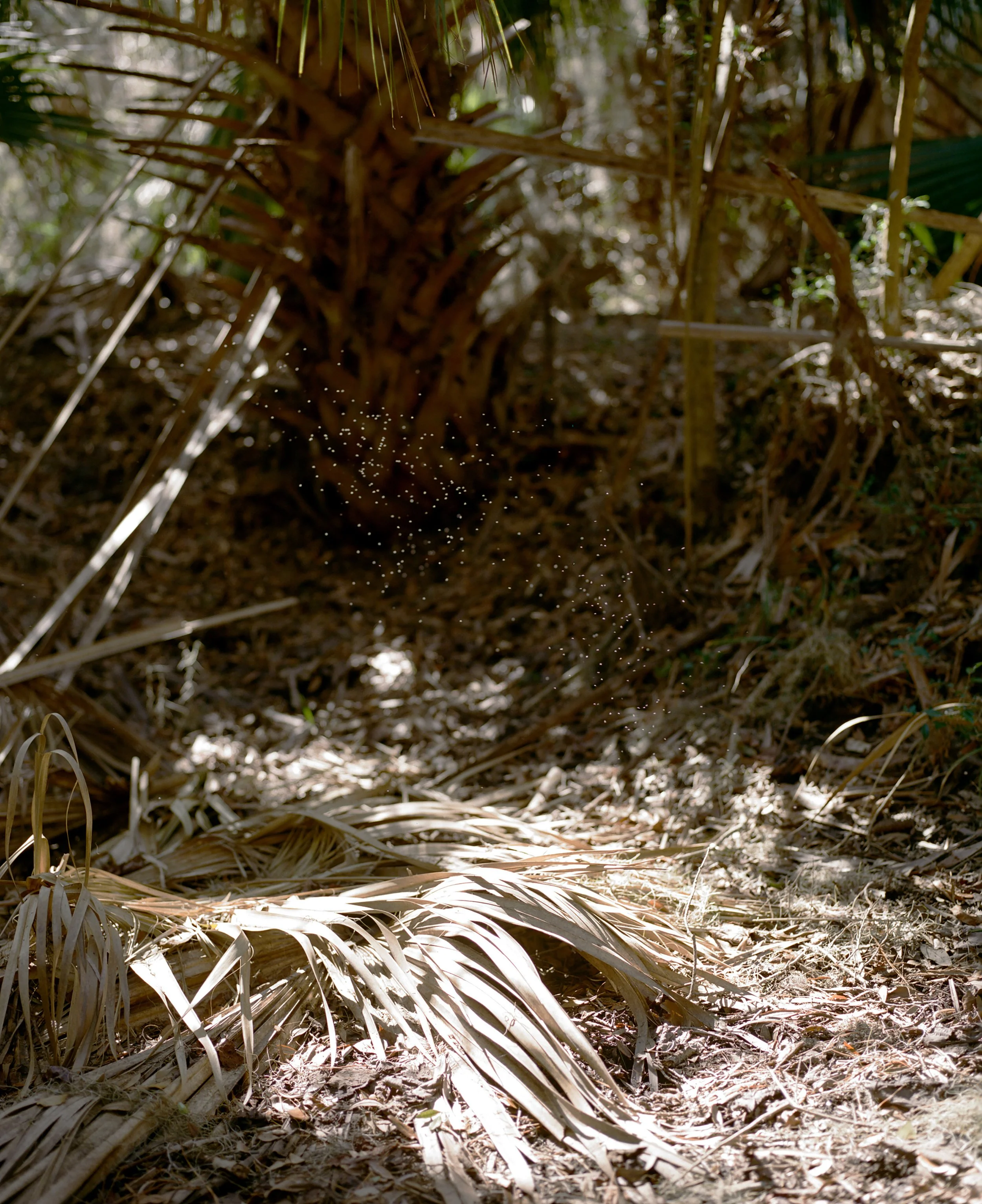
Photographed for Atmos Magazize, 2025
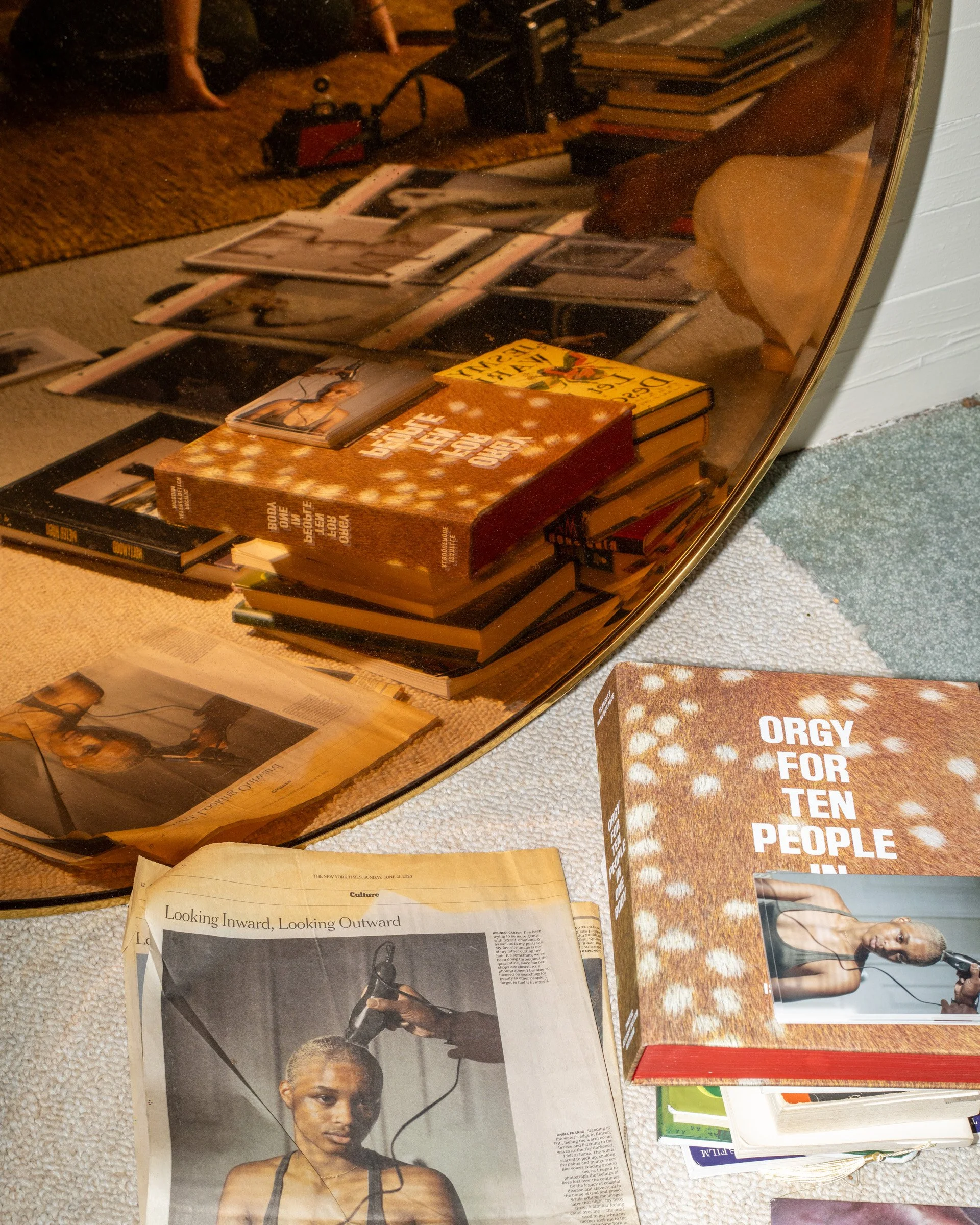
To start, tell us a little bit about you and your history?
I am a photographer based in North Carolina. My maternal family is from Dallas, Texas -- by way of Lake Providence, Louisiana. I am interested in the Black outdoors, ecology, love, and community.
Could you talk about a formative or meaningful encounter you’ve had with art—visual or otherwise?
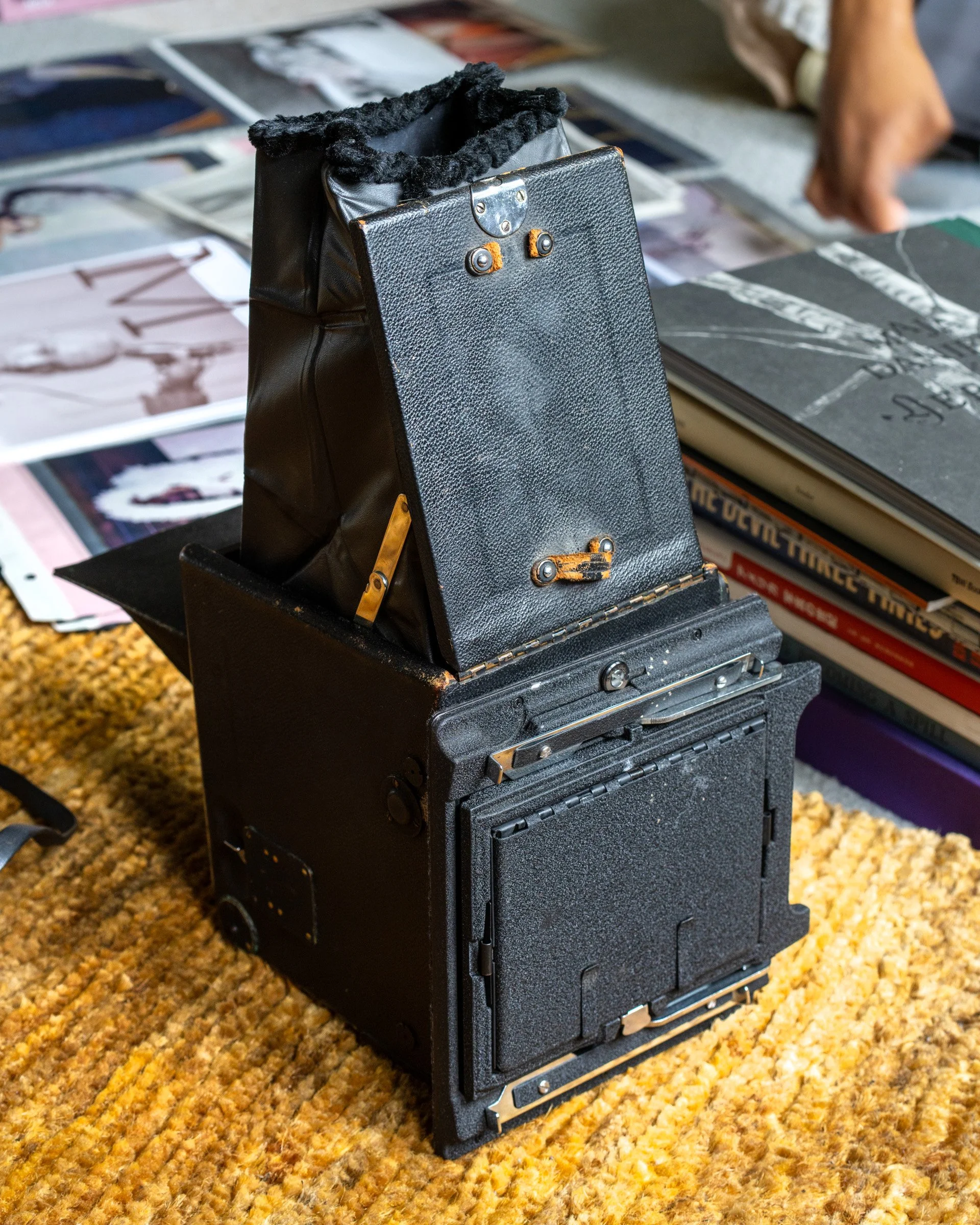
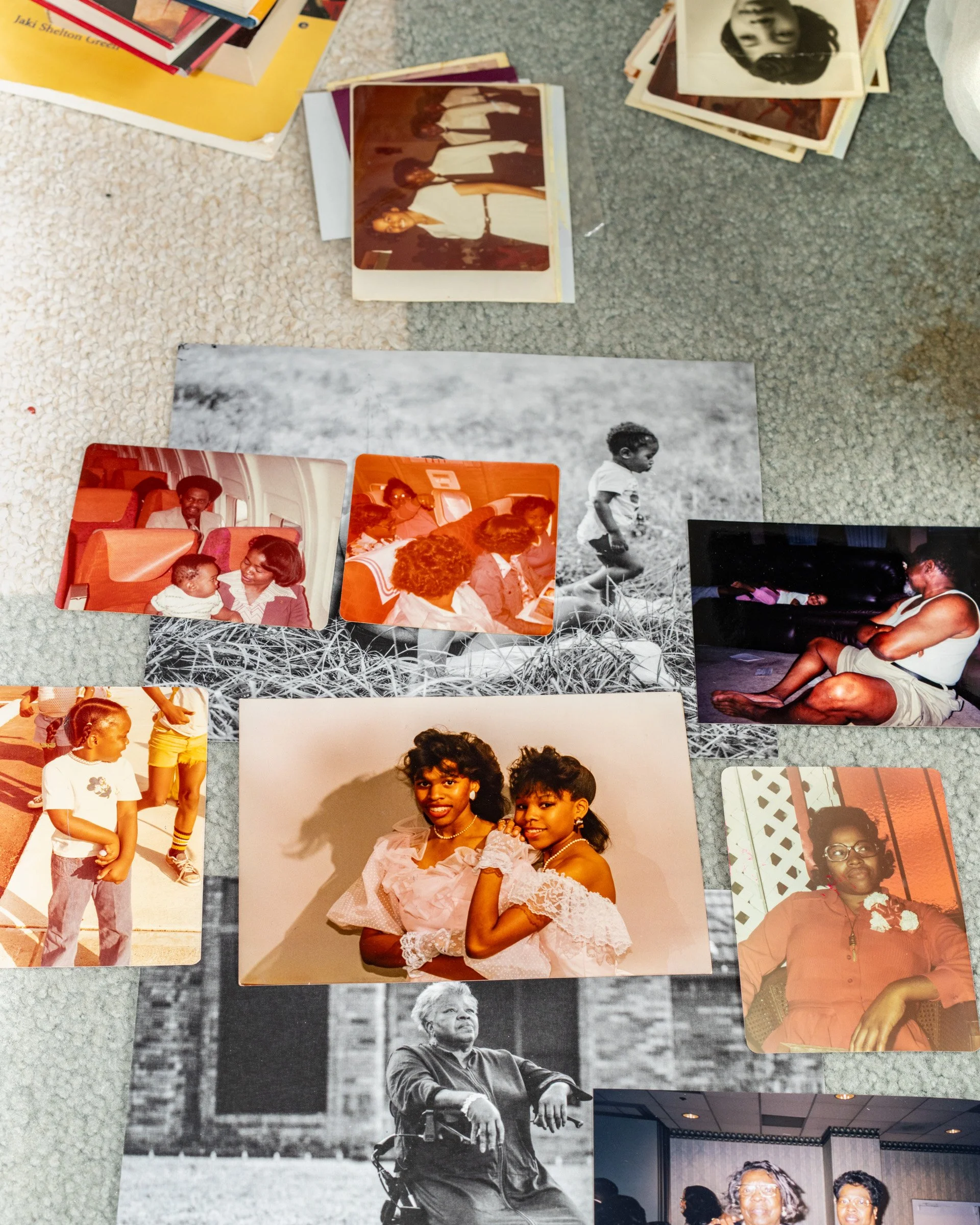
A formative memory I've had with art is stumbling across my grandmother's cameras inside of her curio. She was an avid photographer back in the day, she still is obsessed with photographs. She made beautiful images of her life with my grandfather. I think her work has informed my practice and I how I choose to allow the world around me to inspire the work.
Your photographs often center Black subjects with a strong sense of intimacy and presence. Can you talk about how you think about representation in your work? And how do you navigate your relationships with the people you photograph?
The projects I’ve been working on explore different facets of Black identity, particularly Southern Black identity, religion, motherhood, and our relationships to the outdoors. Too often, portrayals of Black life are flattened or treated as monolithic. I’m interested in the spaces that have received less sustained attention—subjects and traditions that deserve further photographic and theoretical exploration, such as Hoodoo, horsemanship, and mothering.
My work often begins with my own relationship to a particular topic. From there, I expand outward through research, conversations, and collaboration with people who hold knowledge through scholarship, lived experience, or both. Rather than approaching these subjects as an outsider, I try to build relationships over time, allowing trust and mutual understanding to shape the work.
I’m committed to creating long-term bodies of work. Returning to people, places, and ideas over the course of years allows the photographs to deepen, revealing the complexity, tenderness, and contradictions that can only emerge through sustained engagement.
You also work with self-portraiture—how does your process shift when you’re both photographer and subject? Does being in front of the camera feel like an extension of your other work, or something fundamentally different?
Self-portraiture helps me triangulate my relationship to a subject. By placing myself and my lived experience within the frame, I can better understand my connection to the ideas I’m exploring. In my work on motherhood, for example, self-portraiture becomes a marker of my own existence—a way of acknowledging that I am not separate from the work, but implicated in it.
Rather than positioning myself as an objective observer, I use self-portraiture to locate myself within the histories, relationships, and questions I’m investigating. It allows me to move between the personal and the collective, using my own experience as a point of departure while remaining open to the lives and stories of others. It is both a method of inquiry and a way of grounding the work in lived experience.
The South - as a geography, history, and site of community - feels central to your work. Can you talk a little about your personal relationship to it, and the role it plays in images?
As I mentioned, my maternal family is from Texas, with roots that extend through Lake Providence, Louisiana, into Mississippi. My father's family is from Philadelphia, but tracing our genealogy led me back through North Carolina, South Carolina, and into Alabama. Following those family lines has deepened my interest in the ways Africa continues to surface in the lives of Black Americans.
I think of the American South as a satellite outpost of the African continent. I see the nature of the diaspora as an enduring cosmological connection to Africa—one that continues to reveal itself through patterns of worship, relationships to the natural world, foodways, language, music, and other cultural practices. I'm interested in tracing those through lines and asking how memory, culture, and ancestry continue to shape Black life across time and geography.
The South is ingrained in my DNA as much as the African continent. It informs how many of us move through the world and continues to shape the ways we live. We are always living in the wake of Southern history—its violence, its beauty, its ruptures, and its inheritances. My work is an attempt to understand how those histories continue to inhabit our bodies, our landscapes, and our everyday lives.
In Everything I Don’t Know You Can Teach Me, you describe motherhood not as a solitary condition but as something collective—shaped by lineage, memory, and community. How has becoming a mother reshaped the way you understand authorship, both in your life and in your work?
If I think of authorship in the context of being the creator—or creatrix—of something or someone, motherhood has fundamentally changed how I understand it. Becoming a mother made me realize that while I carried and gave birth to my son, I am not his sole creator. He has been shaped by family, community, ancestors, teachers, friends, and the many people who will continue to influence his life.
I’ve come to think that art making works in much the same way. An idea takes shape through lived experience, and lived experience is never singular. We are all formed in relation to others, and those relationships inevitably shape our ideas, our aesthetics, and our ways of seeing. Motherhood has expanded the confines of authorship for me. It has made me more attentive to the collective labor behind every work and more intentional about citing my sources—not only in the academic sense, but in acknowledging the people, places, histories, and lineages that make the work possible.
Following this idea of inheritance, you’ve spoken about your engagement with archival and vernacular images. What draws you to them, and what do they allow you to access or express in your work?
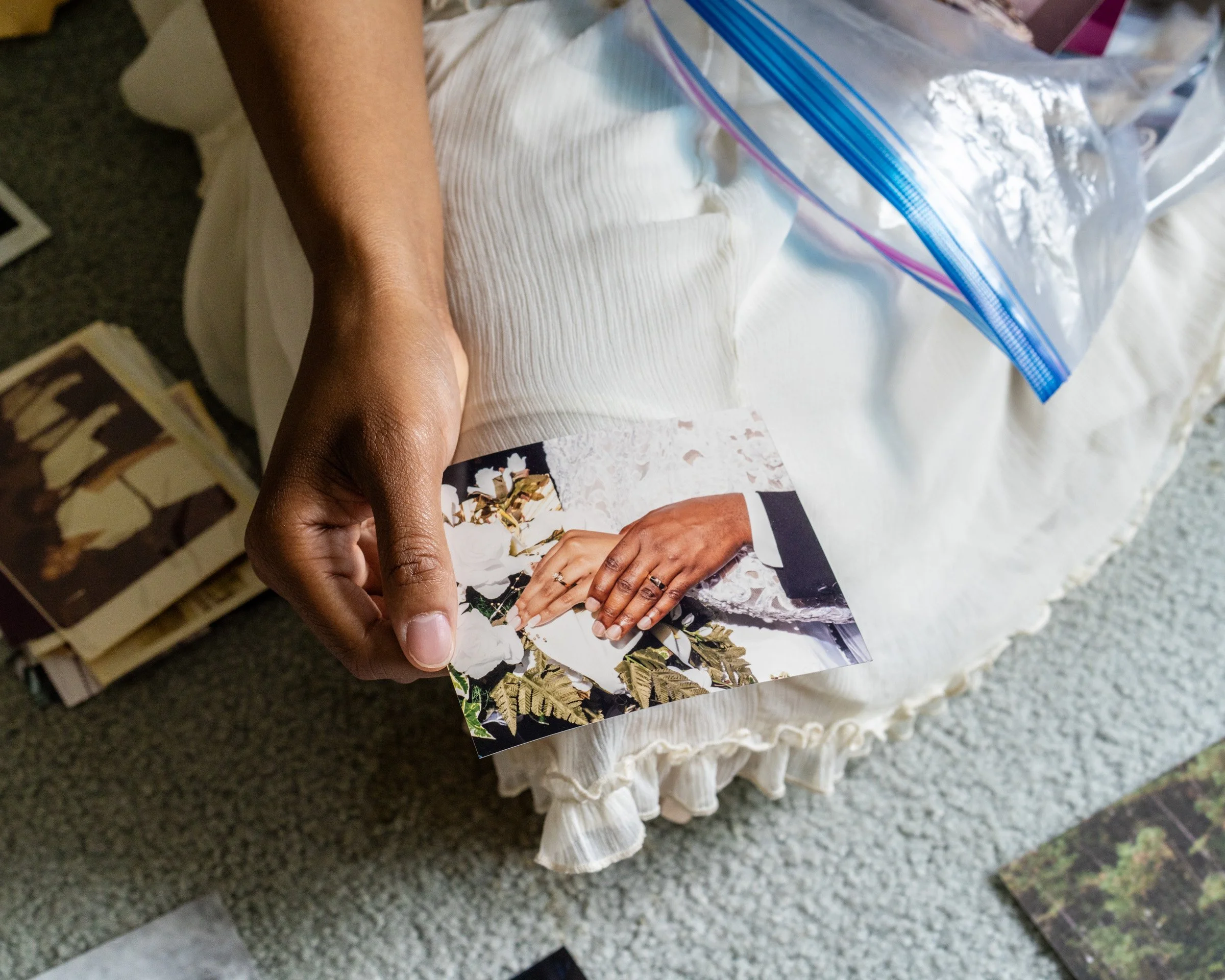
My grandmother's photographs function as windows into moments I have only ever heard recounted through family stories. Through them, I am able to see loved ones who have since passed away. What draws me to these images is their ability to collapse time, allowing memory to become tangible.
More than documents, they are vessels for veneration and remembrance. They remind me that photographs do not simply preserve the past—they create spaces where we can continue to honor those who came before us. I am interested not only in the act of remembering, but in expressing remembrance itself: how photography can become a ritual of care, devotion, and continuity across generations.
You move between personal and commissioned work—how do you think about the relationship between the two? Do they inform each other, or do you keep them distinct?
I think these two modes of image-making inform one another, though perhaps in different proportions depending on the work. I hope to bring them into closer relation over time, allowing each to expand the possibilities of the other.
Commissioned work carries a different set of conditions and constraints. It requires a commissioner, and with that comes a shared set of expectations, intentions, and limitations. Personal work, by contrast, can be made in solitude and on one’s own terms. But I am interested in how neither is entirely separate—how both are shaped by external forces, relationships, and contexts that inform what becomes possible in the image. Rather than keeping these practices distinct, I am interested in how they might speak to one another: how personal inquiry can remain intact within commissioned structures, and how commissioned work can still carry traces of interiority, care, and authorship.
Who are some artists, writers, or thinkers who have most shaped the way you think about your work? And is there anyone you’re especially excited about right now?
Hmm, Carrie Mae Weems (Sea Island's Project) comes to mine and Maja Daniels (Gertrude), I am most excited about an exhibition: (Ideas of Africa, MoMA)
What is your studio soundtrack?
Kokoroko, Alice Coletrane, I have also been listening to a lot of djembe heavy West African music